Pickleball Paddle Buying Guide: How to Choose Your Perfect Paddle
Choosing the right paddle is one of the most impactful decisions you can make in pickleball. The right paddle can sharpen your control, add pop to your drives, and reduce fatigue during long sessions. With dozens of shapes, materials, and weights available, this pickleball paddle buying guide walks you through what actually matters — so you can match a paddle to your game instead of guessing.
Understanding Paddle Types
Most paddles fall into three broad categories: recreational, composite, and raw carbon fiber. Each offers a different balance of durability, feel, and spin.
Recreational Paddles
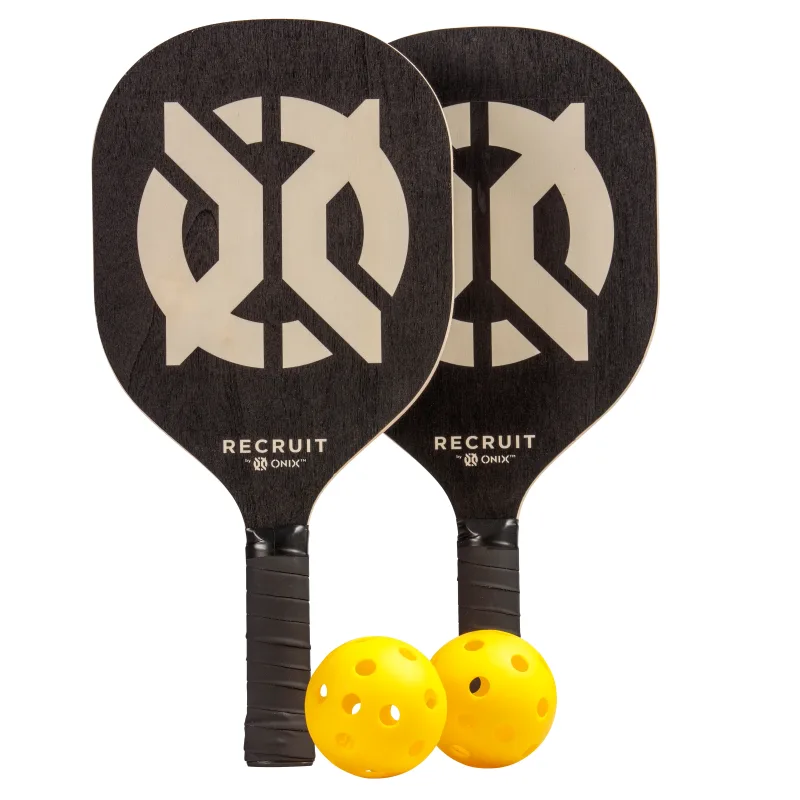
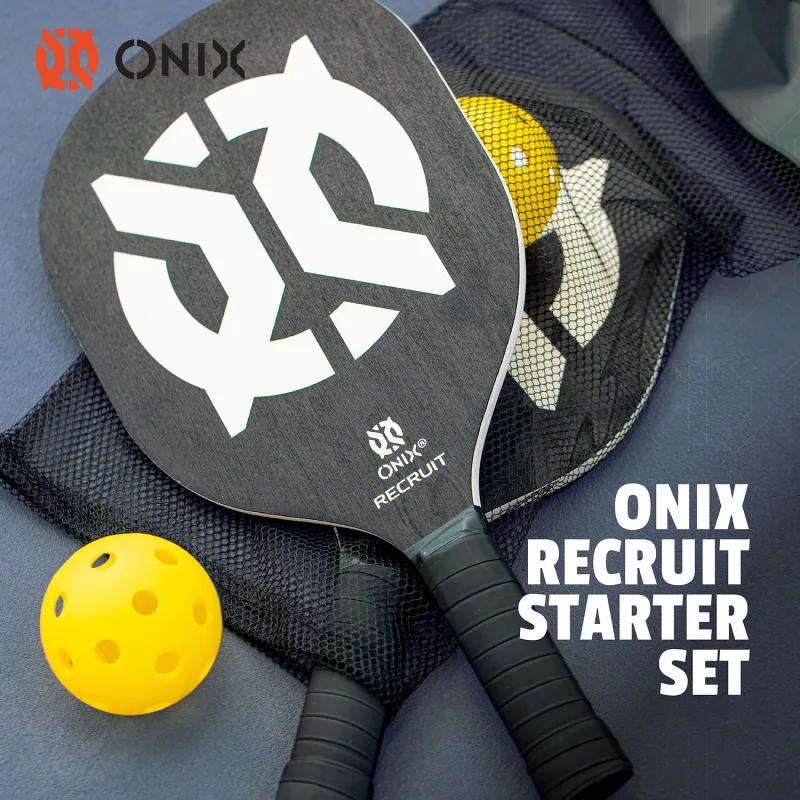
These are typically the most affordable and forgiving options, often made with a polymer or wood core and a fiberglass or graphite face. They are ideal for casual play, family games, and learning the basics. A set like the Recruit Beginner Pickleball Set is a practical starting point because it bundles the essentials for new players.
Composite Paddles
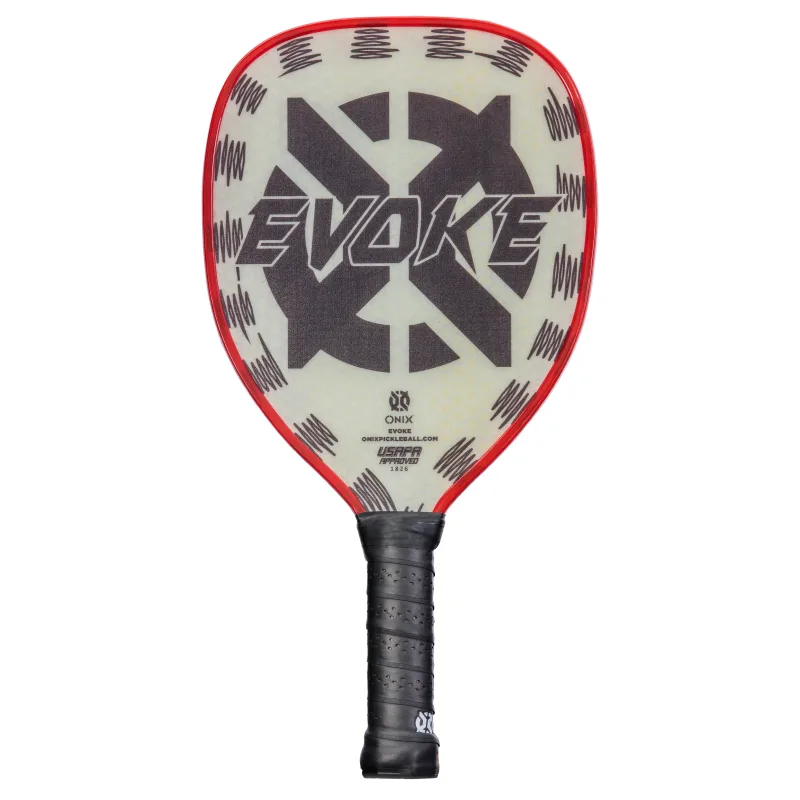
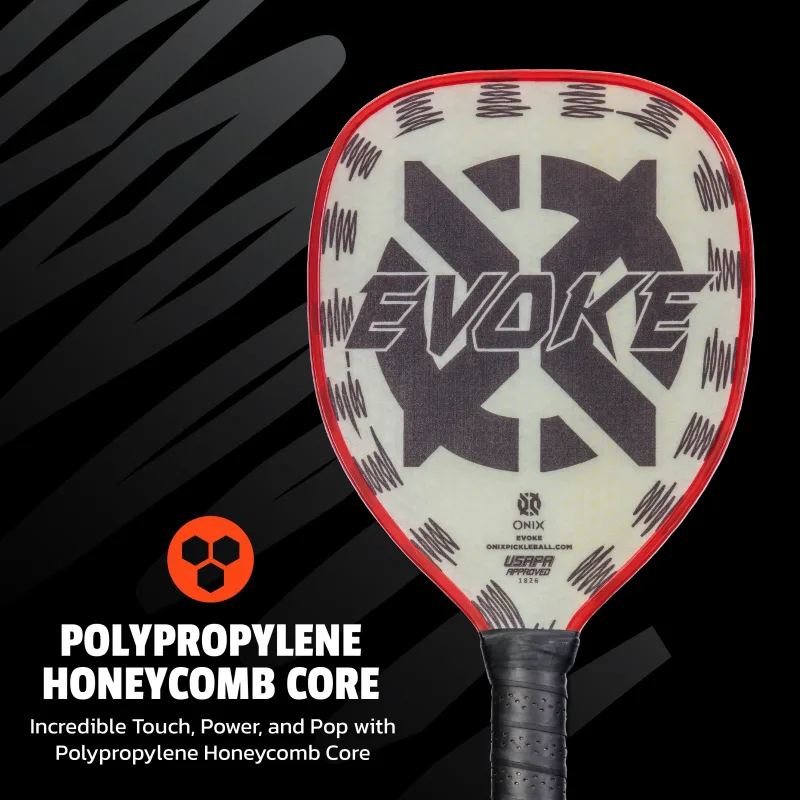
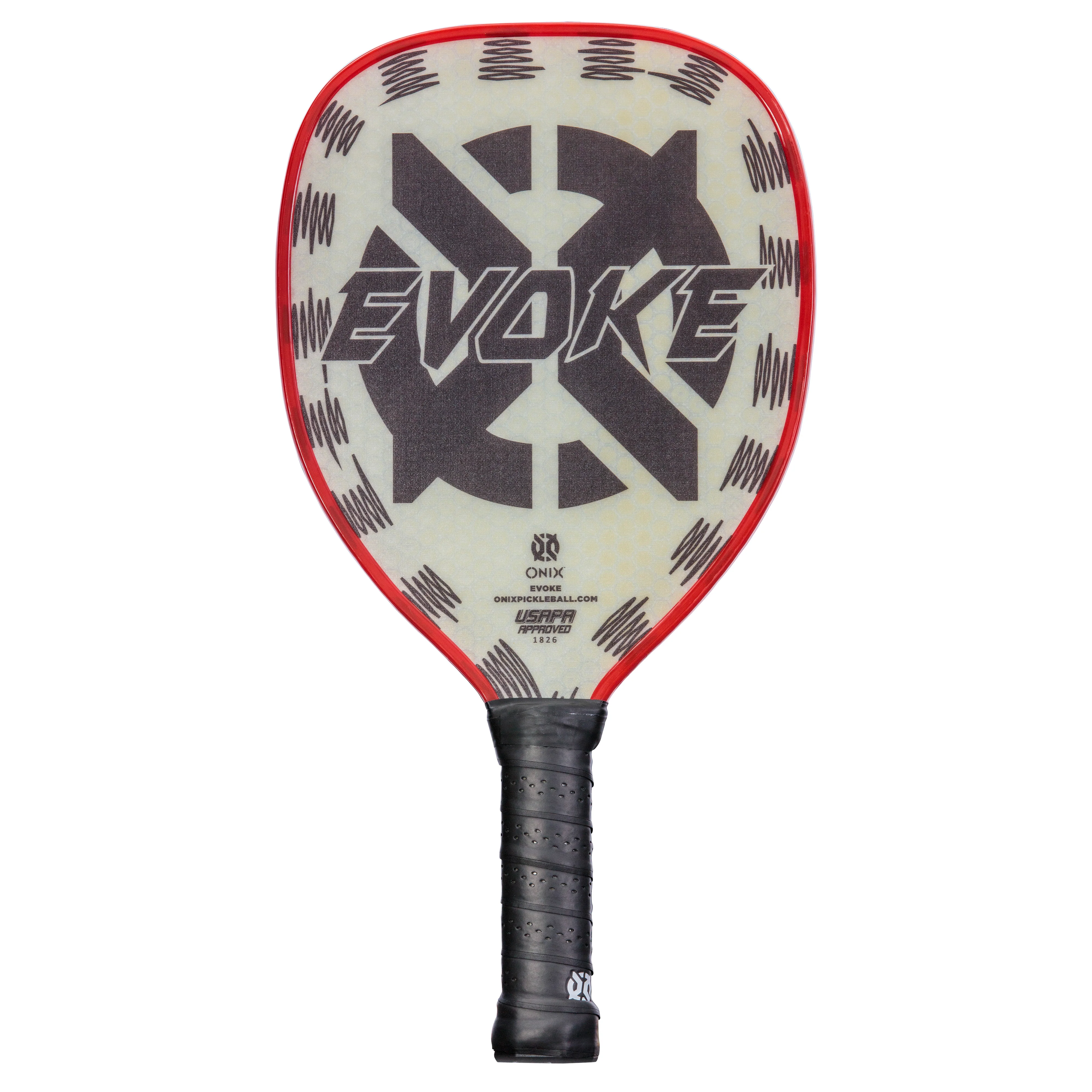
Composite paddles use a honeycomb core with a fiberglass or carbon face. They tend to offer a good blend of power and durability, making them a popular choice for intermediate players. The Evoke Tear Drop Composite Paddle is a good example of a composite option with a shape designed to expand the sweet spot.
Raw Carbon Fiber Paddles
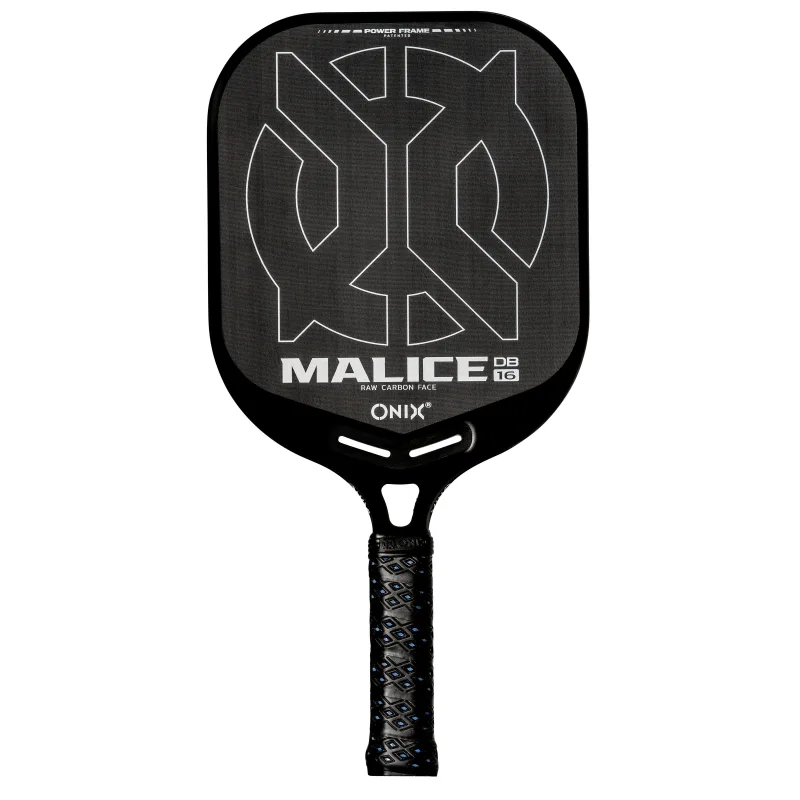
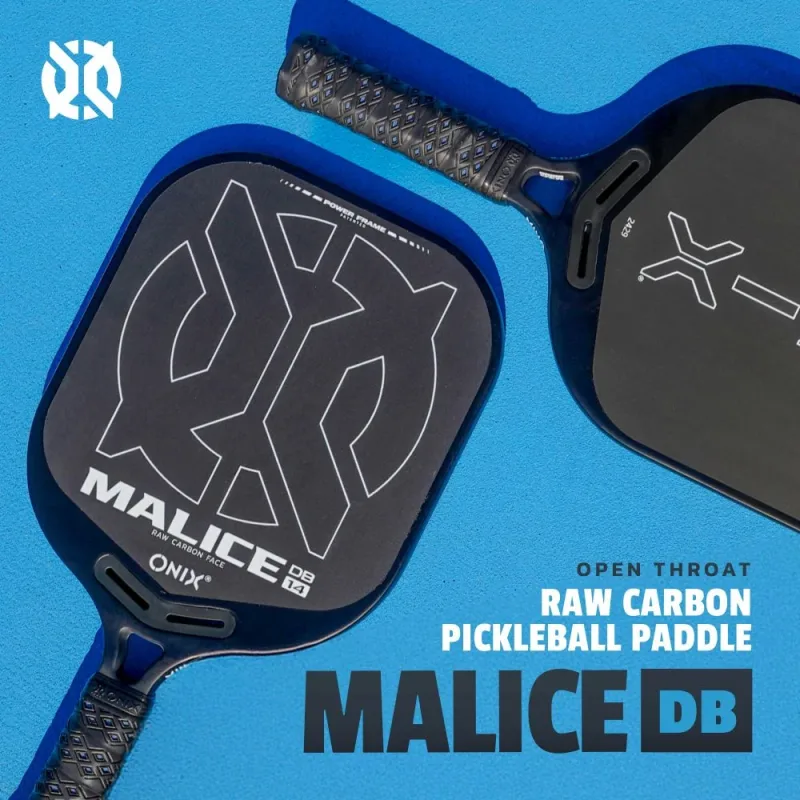
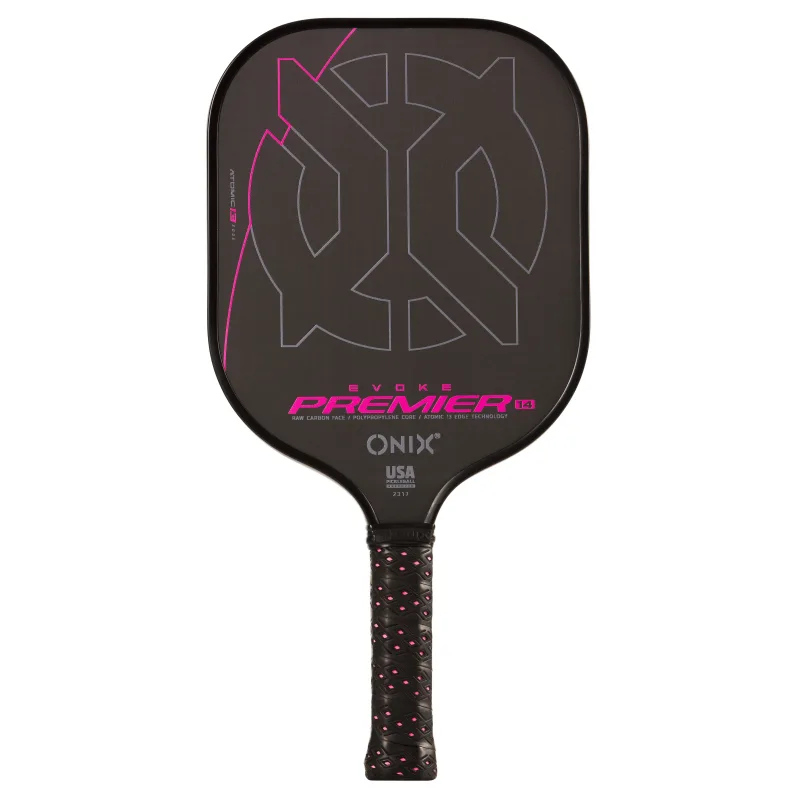
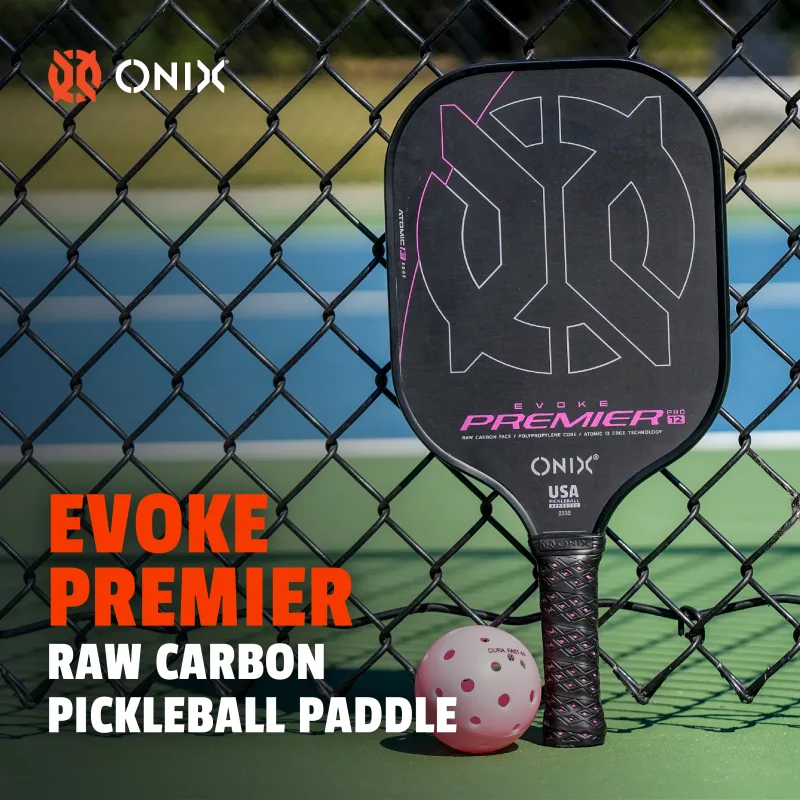
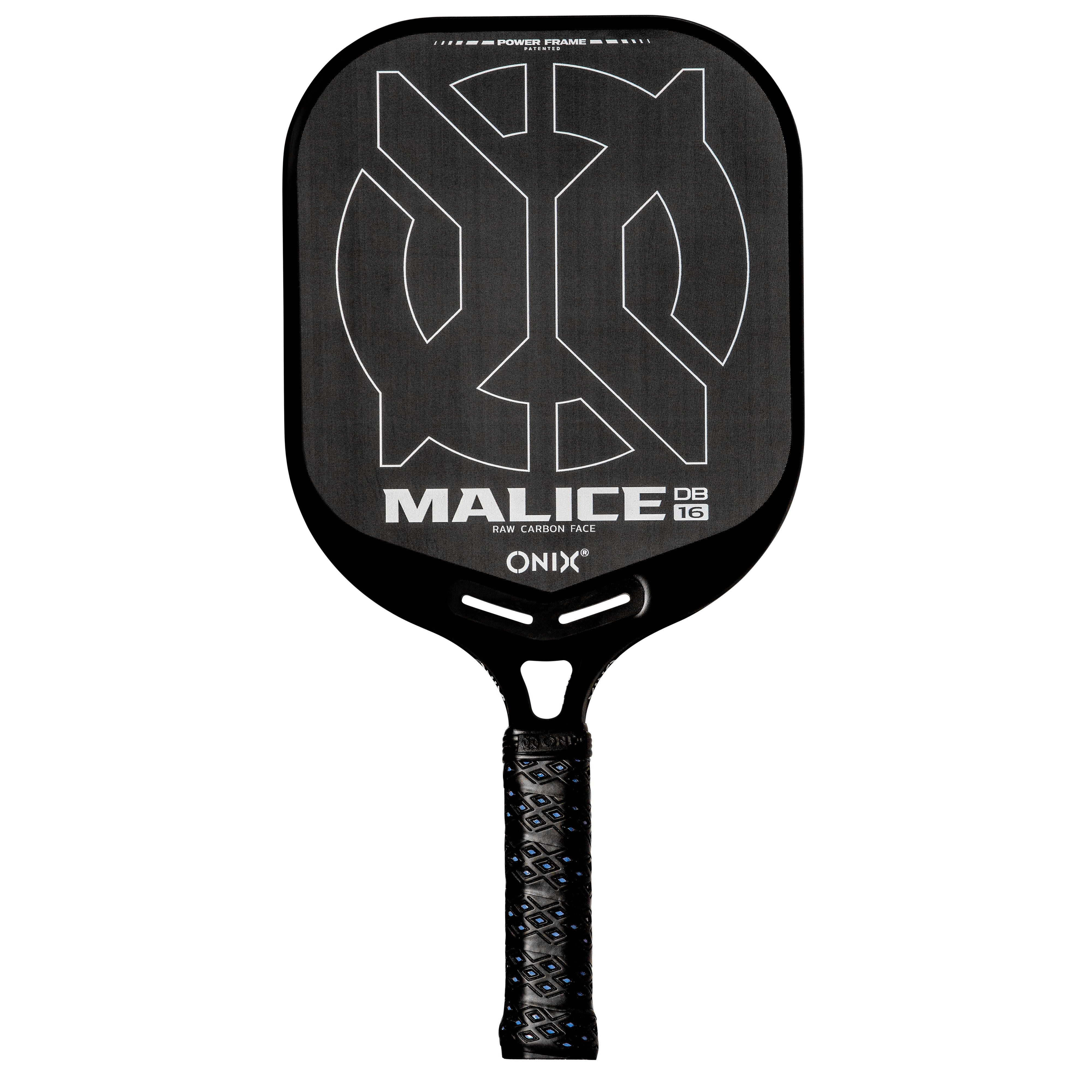
Raw carbon fiber faces are known for generating spin and providing a crisp, responsive feel. They are often favored by advanced and tournament players. Models such as the Malice DB Open Throat Raw Carbon Fiber Pickleball Paddle and the Evoke Premier Raw Carbon Pickleball Paddle represent this category well.
Paddle Shape and Throat
Shape affects both the size of the sweet spot and how the paddle swings.
- Standard shape: A wider face with a shorter handle. It offers a larger sweet spot and more forgiveness on off-center hits, which suits control-oriented players.
- Elongated shape: A narrower face with a longer handle. It extends reach and generates more leverage for power, though the sweet spot is smaller.
- Open throat: A cut-out throat reduces weight and can improve maneuverability at the net. Paddles with an open throat design, like the Malice DB, are often chosen by players who value quick hands.
- Tear drop: A hybrid between standard and elongated, balancing reach with a forgiving hitting area.
If you play mostly at the kitchen line, maneuverability may matter more than raw power. If you favor baseline drives, an elongated or heavier paddle can help.
Weight and Materials
Paddle weight generally falls into lightweight, midweight, and heavier ranges. Lighter paddles are easier to swing quickly and can reduce arm fatigue, while heavier paddles offer more momentum and power on contact.
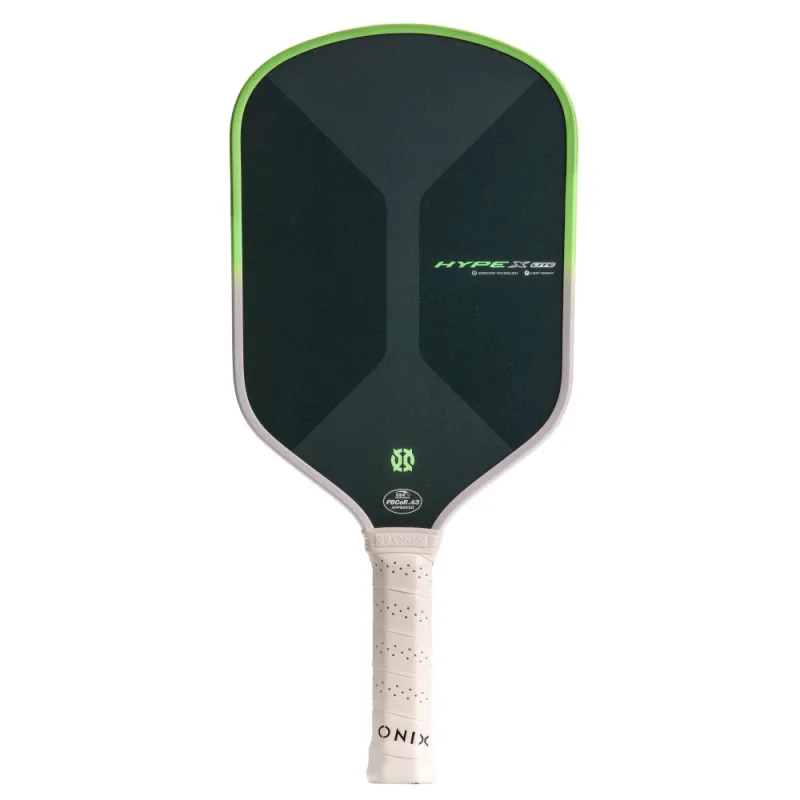
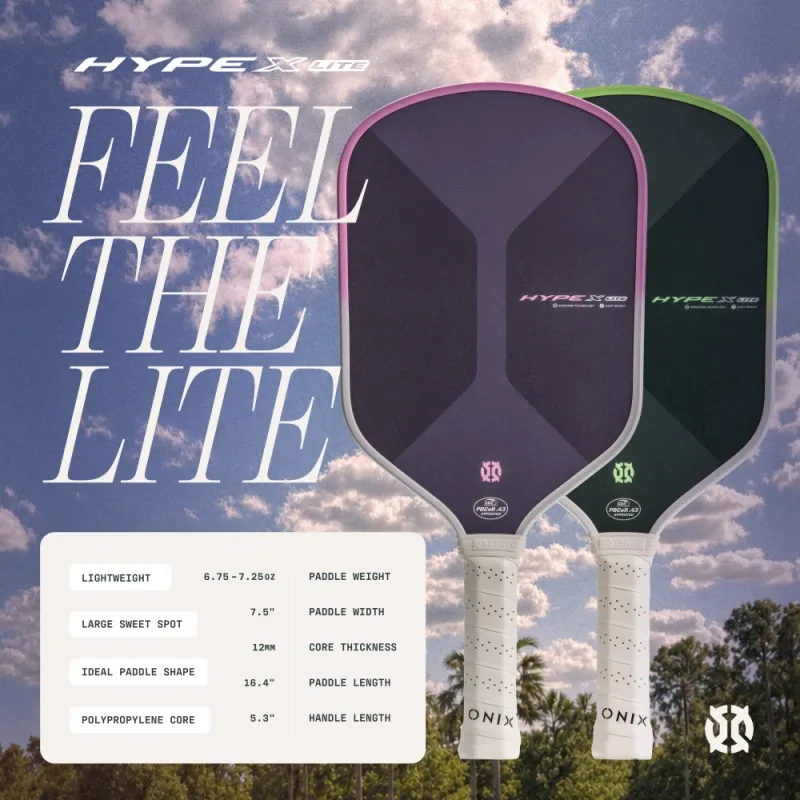
- Lightweight: Best for quick reactions and players with arm or shoulder sensitivity. The Hype X Lite Pickleball Paddle is designed with a lighter build in mind.
- Midweight: A versatile middle ground that balances power and control, suitable for most players.
- Heavier: More plow-through and stability, often preferred by stronger players who want put-away power.
Core thickness also matters. Thicker cores tend to offer more control and a softer feel, while thinner cores can deliver more pop. Face material — graphite, fiberglass, or raw carbon — influences spin and feedback.
Essential Accessories
A paddle is only part of a well-rounded setup. Protecting your investment and keeping your gear organized makes a real difference.
- Paddle covers: Many paddles include a cover, but a dedicated bag adds protection against dings and temperature changes.
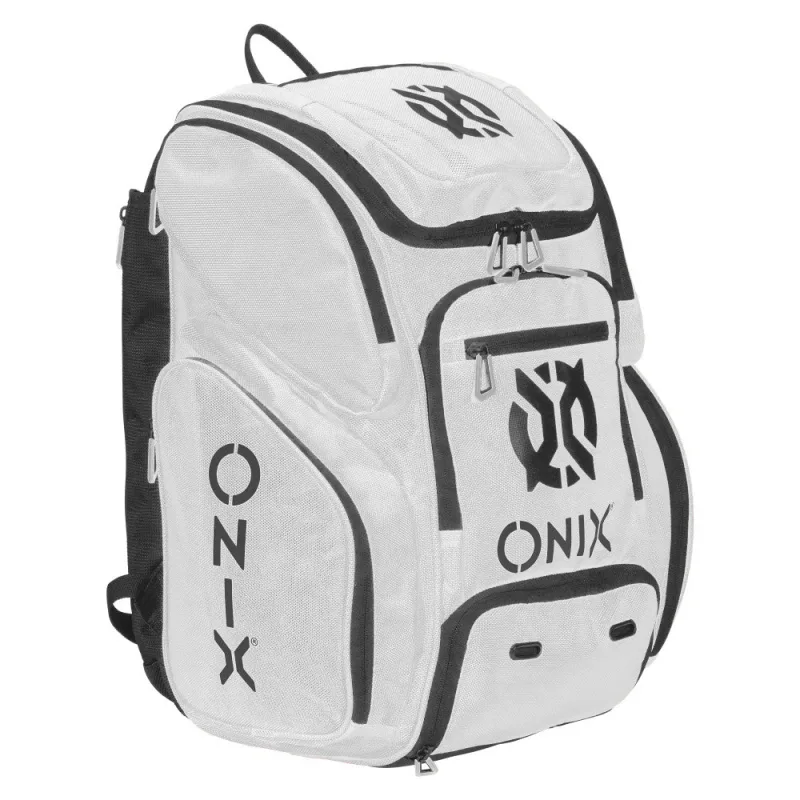
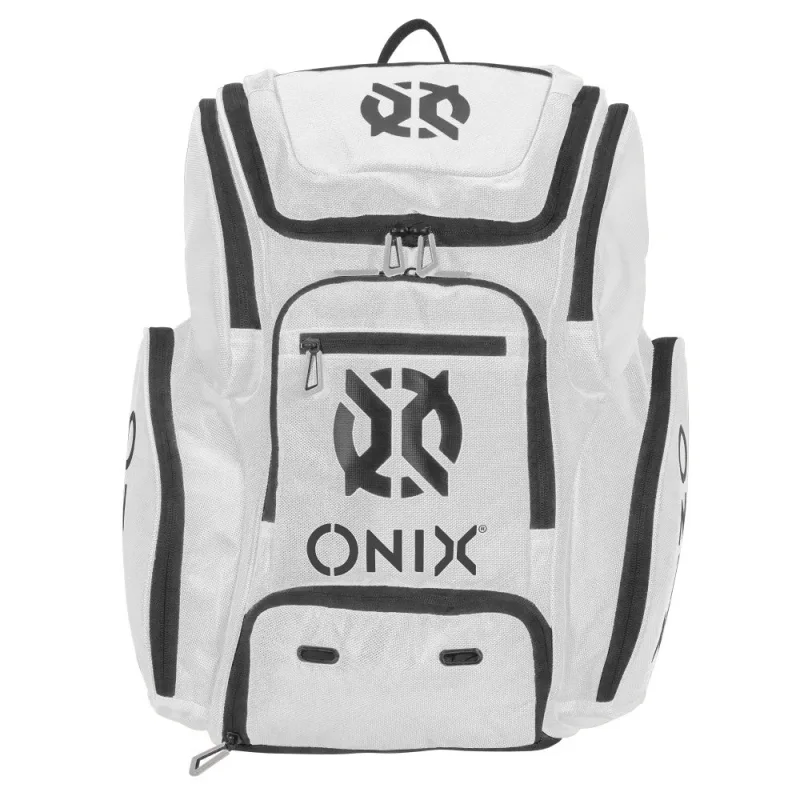
- Backpacks and bags: A Pro Team Pickleball Backpack keeps paddles, balls, and personal items organized and easy to carry.
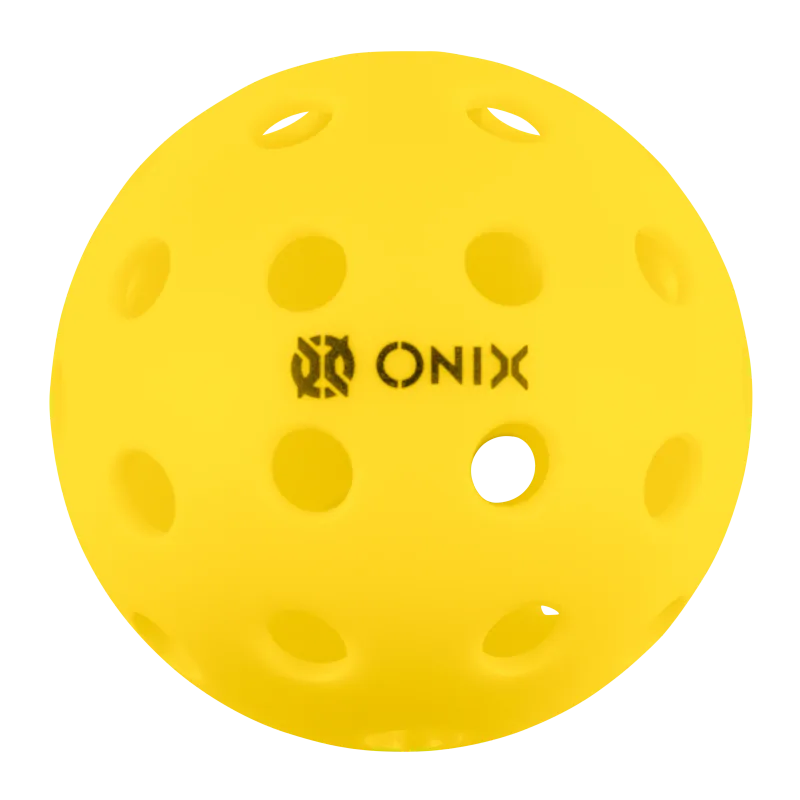
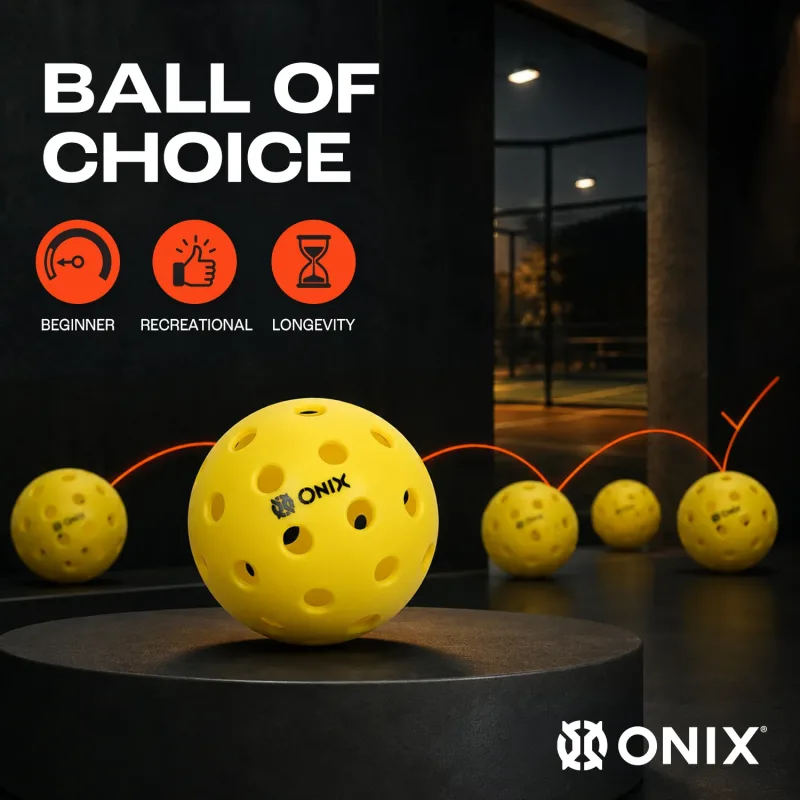
- Balls: Outdoor play calls for durable outdoor balls, such as Pure 2 Outdoor Pickleballs, which are built to hold up on rough courts.
- Nets and extras: If you practice at home, a portable net and net weights can turn any flat surface into a court.
Matching Your Paddle to Your Play Style
Your skill level and playing style should guide the final decision.
Beginners
Prioritize forgiveness and value. A wider face, moderate weight, and durable composite or graphite construction will help you develop consistent strokes. Look for paddles that are easy to control rather than maximally powerful.
Intermediate Players
This is where you can start tailoring your paddle. If you want more spin, consider a raw carbon face. If you want more power, look at elongated shapes or slightly heavier builds.
Tournament Players
Advanced players often carry more than one paddle and choose based on conditions and opponents. Raw carbon fiber faces, open throat designs, and precise weight preferences become more important at this level. Testing different shapes and weights is the best way to find your ideal match.
Final Tips Before You Buy
- Hold a paddle before buying if possible — grip size and balance matter as much as specs.
- Consider your most common playing environment: indoor, outdoor, or both.
- Think about longevity: raw carbon and composite faces tend to hold up well with proper care.
- Don't overlook accessories; a good bag and the right balls complete your kit.
With a clear understanding of materials, shapes, and weights, you can choose a paddle that supports your strengths and grows with your game. Explore the full range at Pickleball Paddles & Pickleballs | Onix Pickleball and find the paddle that fits your style.