Pickleball Paddle Buying Guide: V3, Malice, Z7 & More
Choosing a paddle is the single biggest equipment decision you will make in pickleball. Face material, core thickness, shape and weight all change how the ball comes off your paddle — and how forgiving the game feels on a bad day. This guide walks through the main categories so you can match a paddle to your level and playing style instead of guessing.
Recreational vs. Tournament Paddles
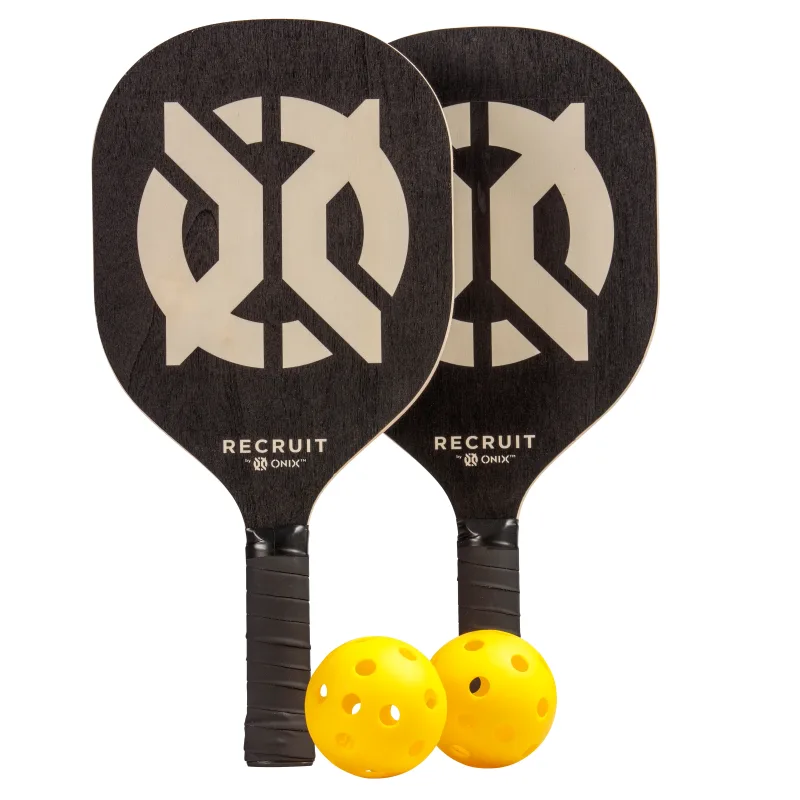
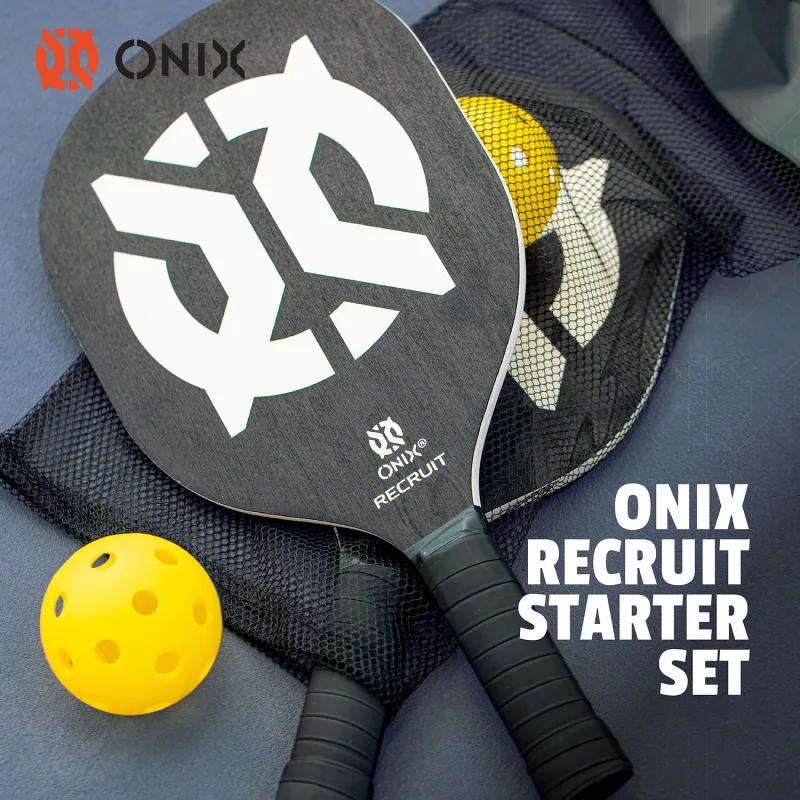
Recreational paddles are built for durability, comfort and easy access to the sport. They tend to have wider sweet spots, lighter swing weights and forgiving faces, which makes them ideal for beginners, schools and family play. A set like the Recruit Beginner Pickleball Set gives you everything needed to start hitting balls the same day.
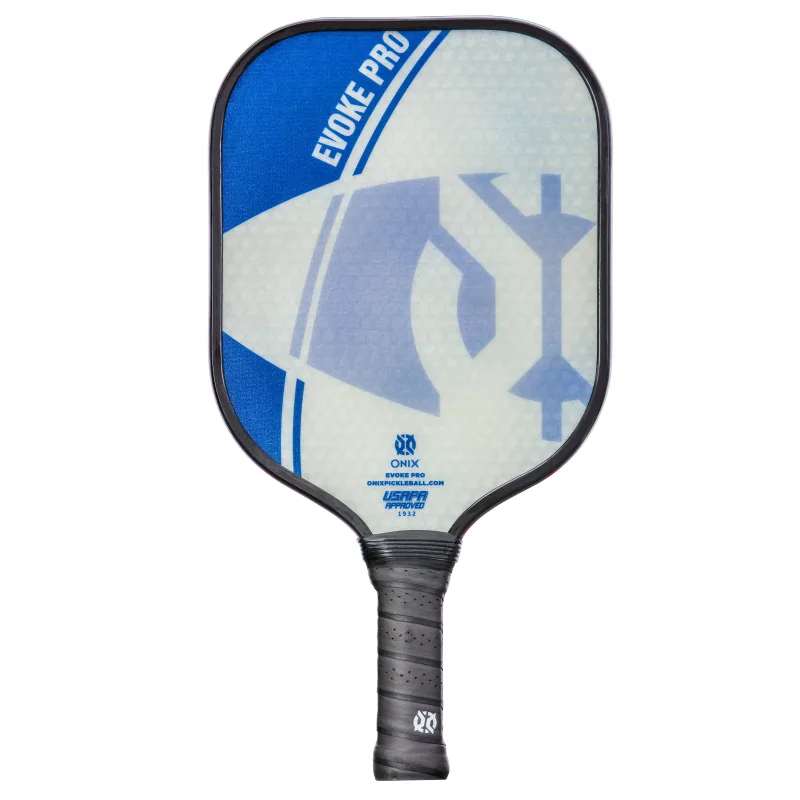
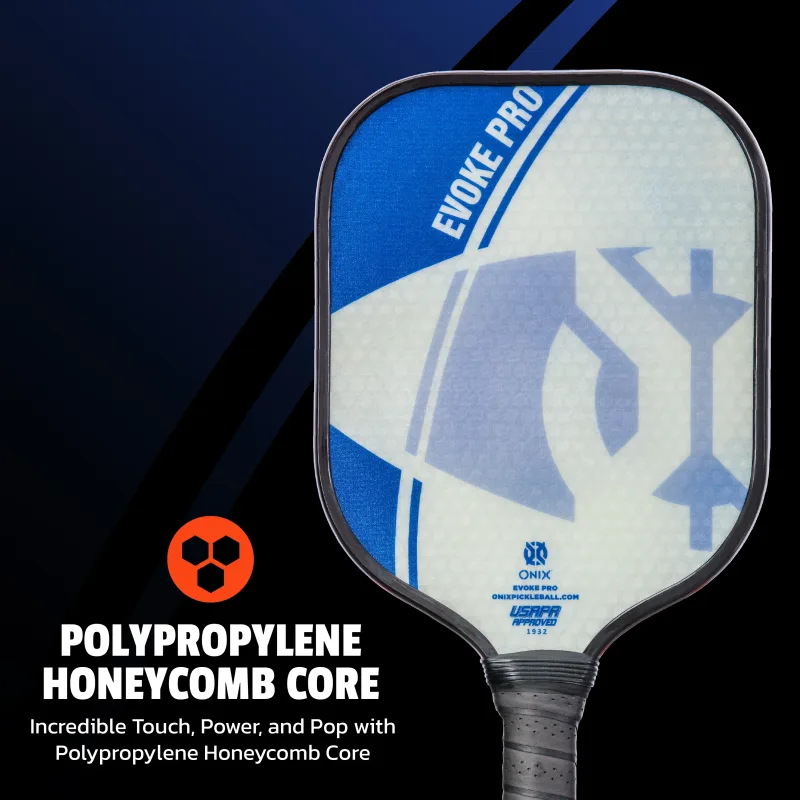
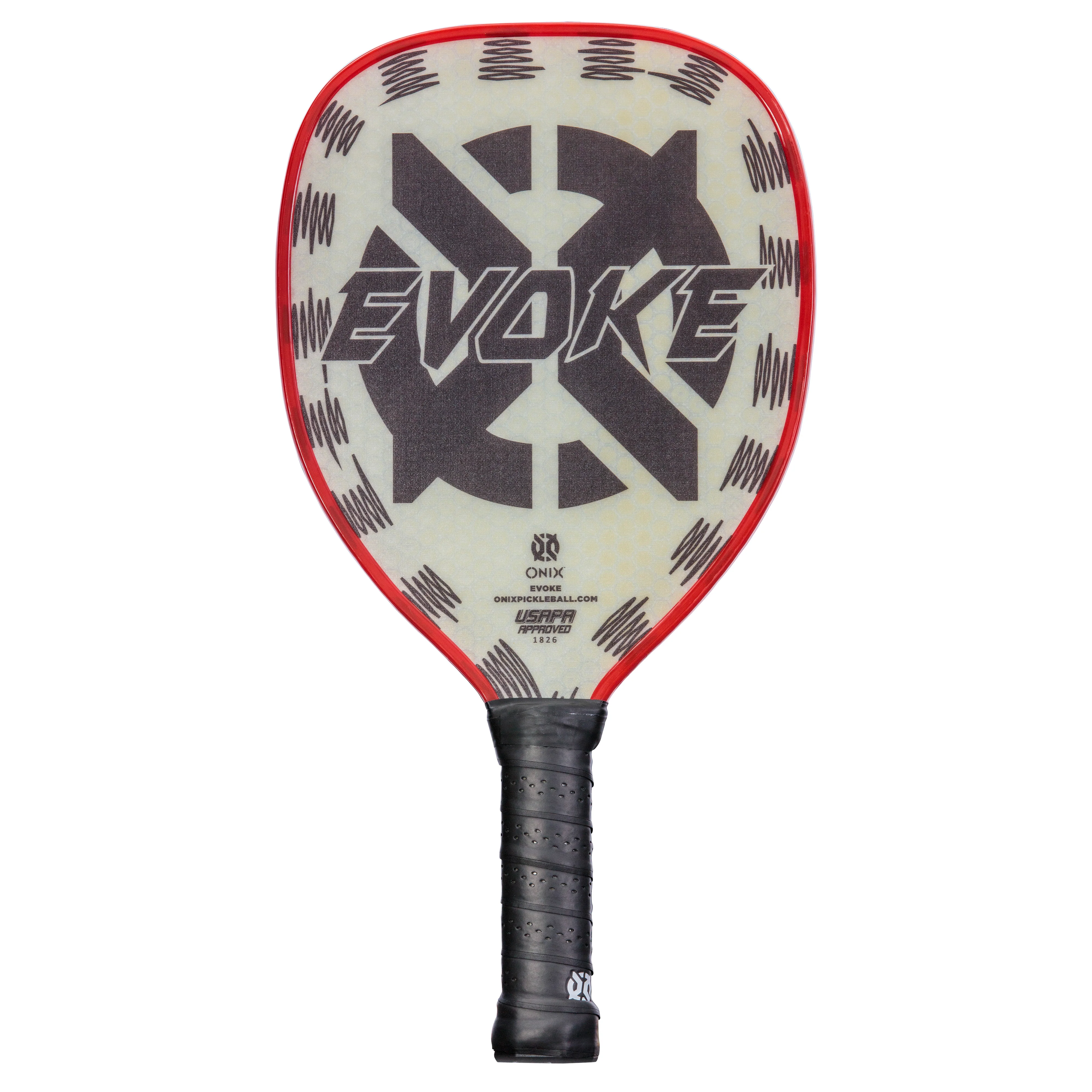
Tournament paddles are engineered for spin, power and precise control under pressure. They usually use thinner, stiffer faces and denser cores so advanced players can shape shots, drive the ball low and reset dinks with confidence. If you compete regularly, this is the category worth investing in — models such as the Evoke Pro Pickleball Paddle sit firmly in that competitive space.
Composite vs. Raw Carbon Fiber Faces
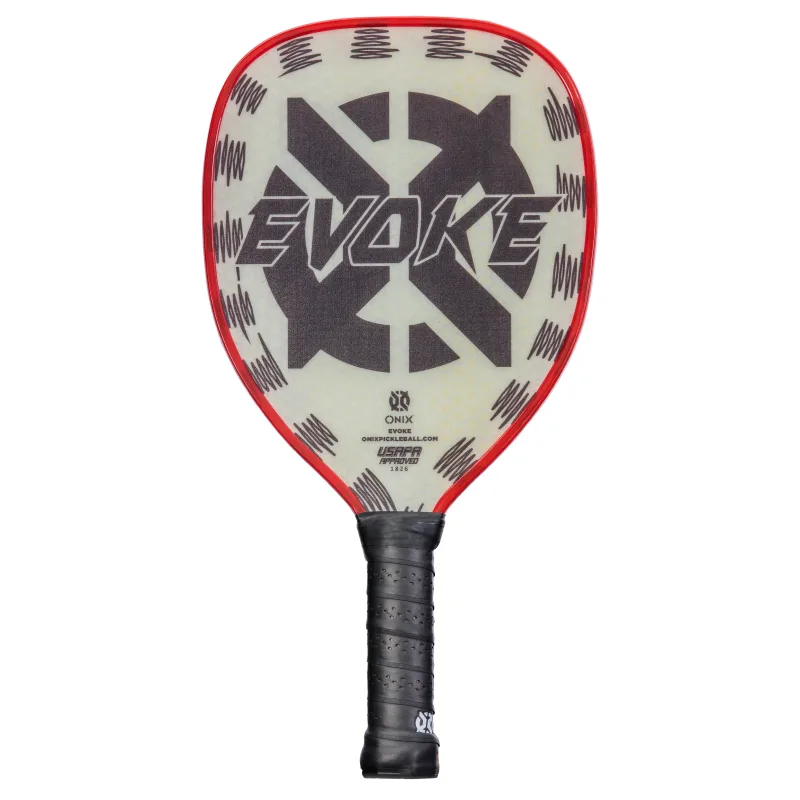
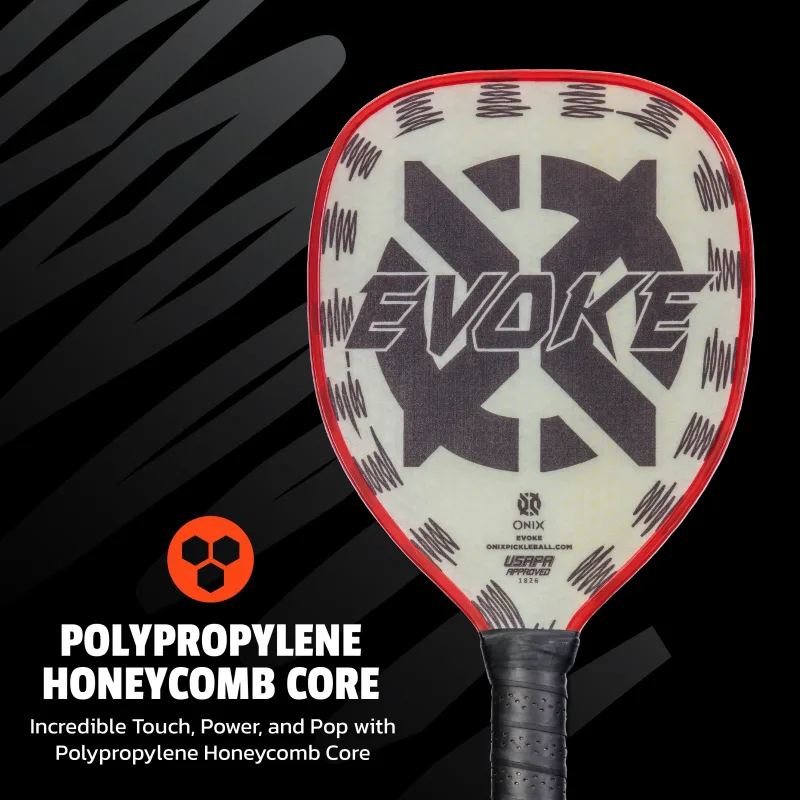
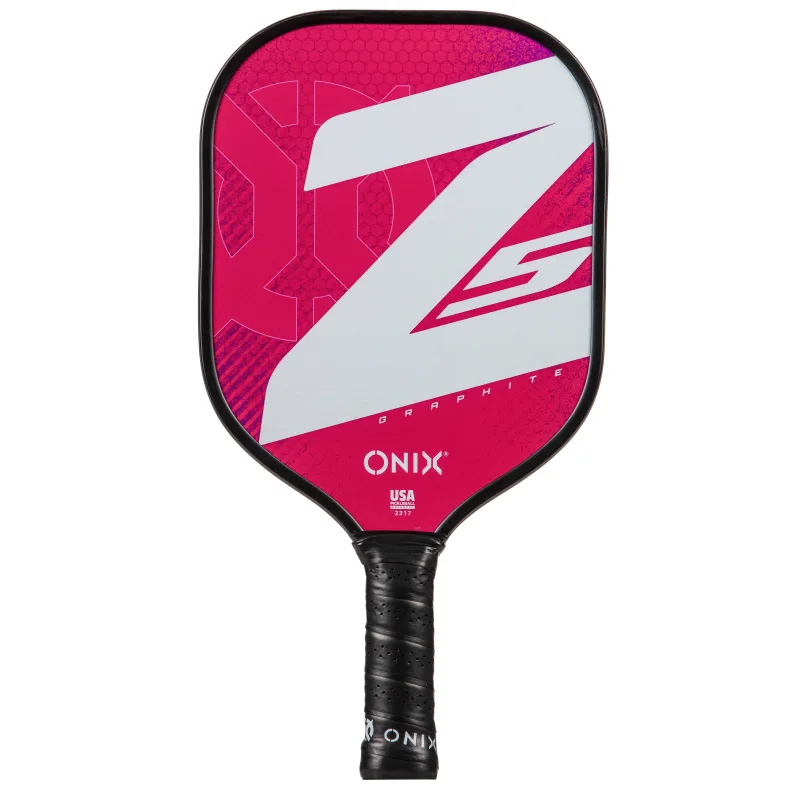
Composite faces — fiberglass, graphite or a blended weave — are the classic choice. They are responsive, durable and generally more affordable, which makes them a great fit for developing players. The Evoke Tear Drop Composite Paddle shows how much control a well-built composite face can offer, while the Z5 Mod V2 Graphite Pickleball Paddle uses graphite for a crisp, fast feel.
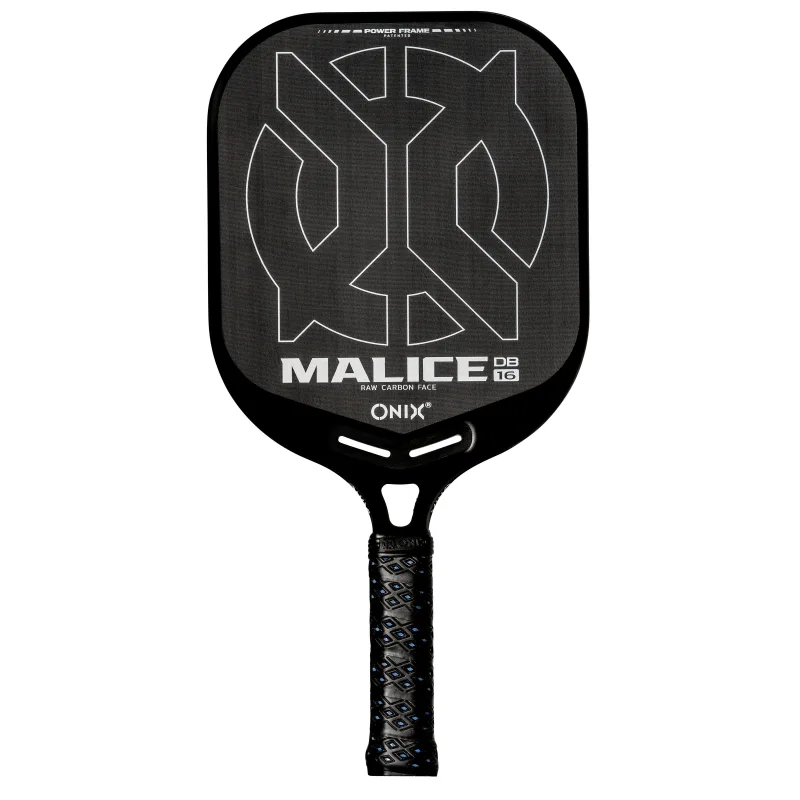
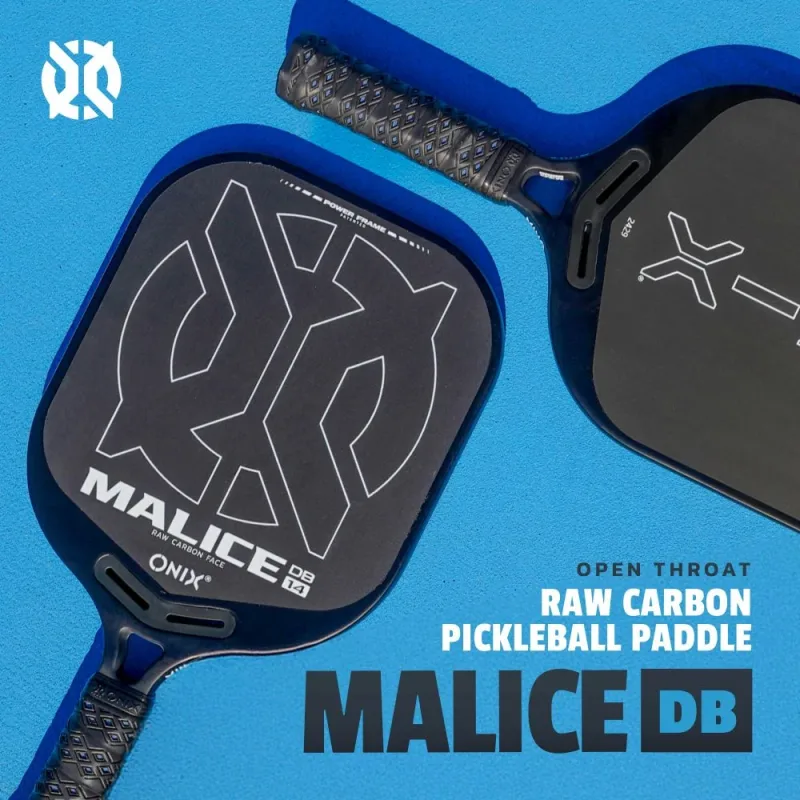
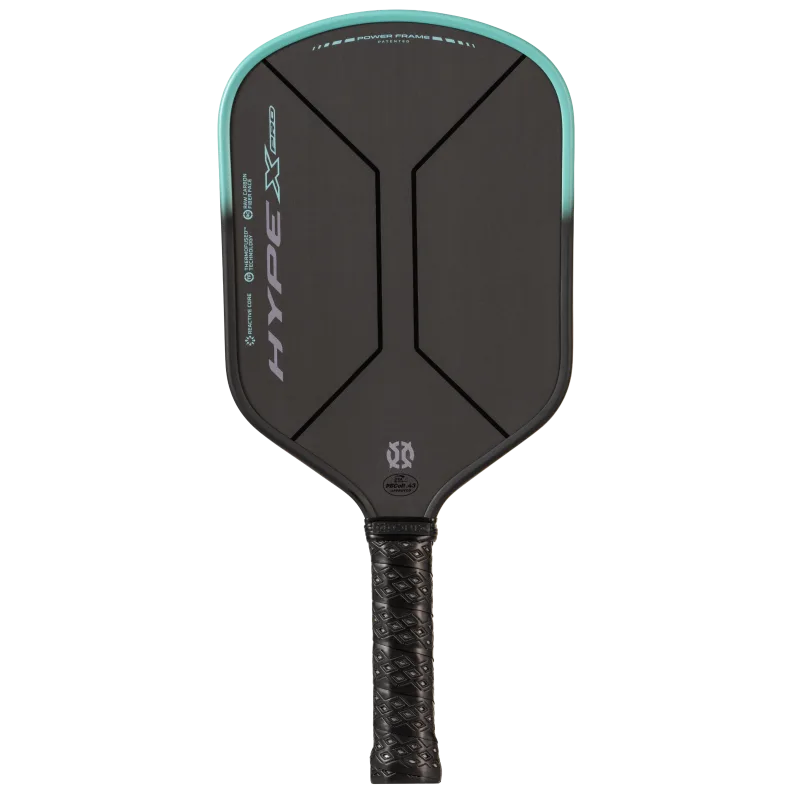
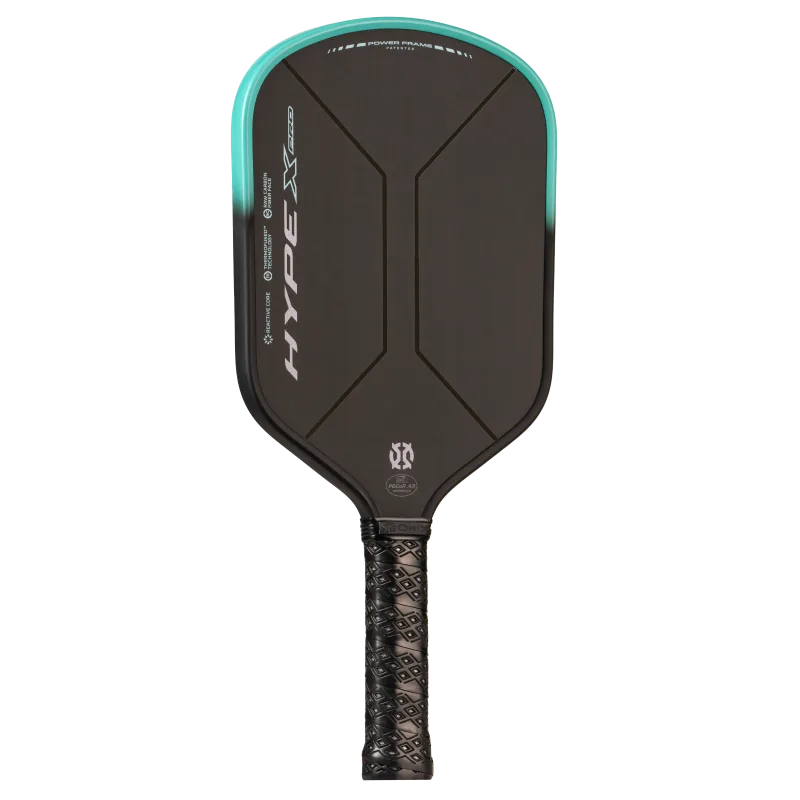
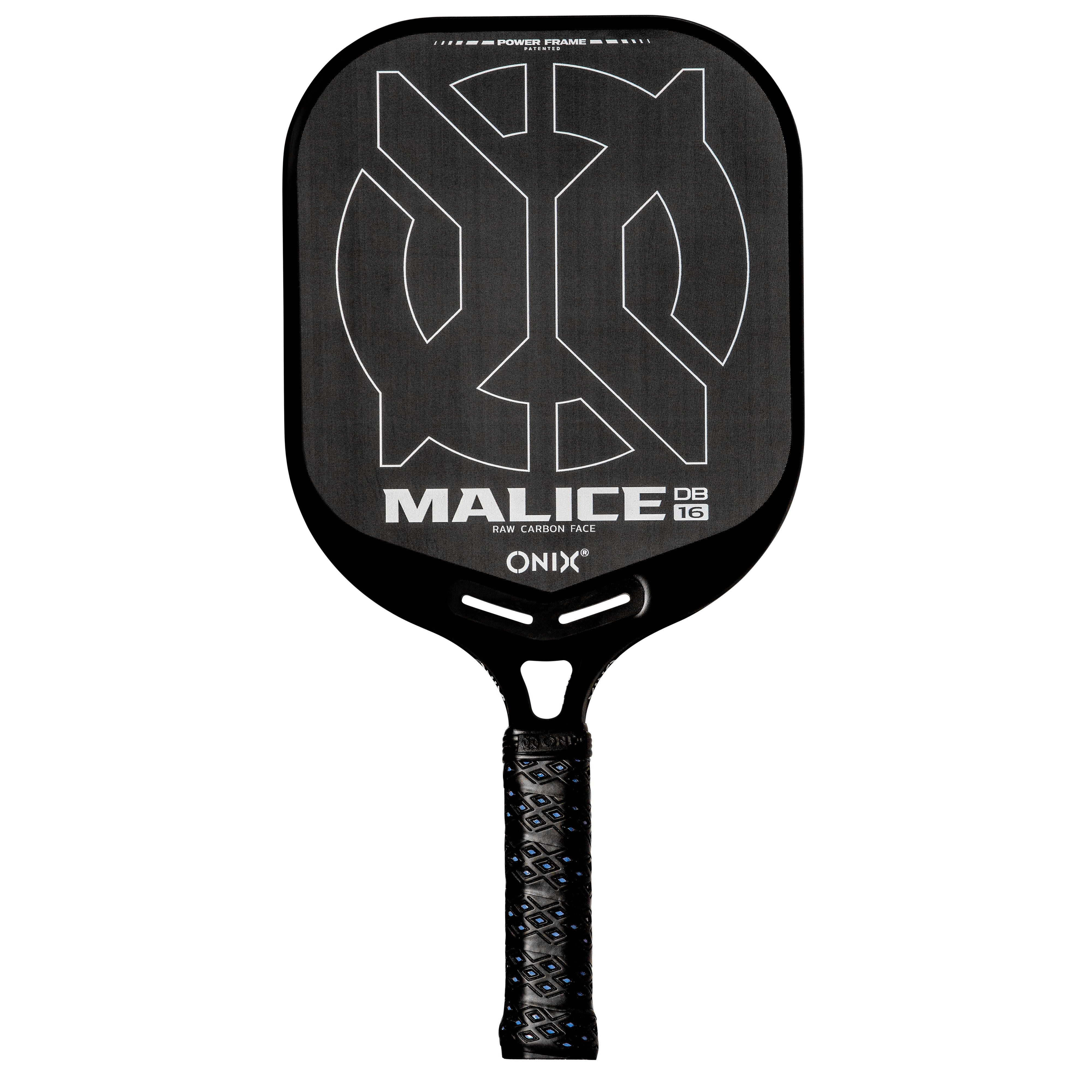
Raw carbon fiber faces are the modern spin standard. The textured surface grabs the ball on contact, producing heavier topspin and more predictable bite on serves and drives. Paddles like the Malice DB Open Throat Raw Carbon Fiber Pickleball Paddle and the Hype X Pro Raw Carbon Pickleball Paddle are built around that textured face, giving aggressive players the spin they need to keep opponents deep.
Shape and Weight: Open Throat vs. Standard Designs
Shape affects reach, sweet spot and swing speed. Standard and wide-body paddles offer a large sweet spot and stability, which suits players who value forgiveness and blocking. Open-throat designs remove material near the handle, shifting weight toward the head for more reach and plow-through — a favourite among players who attack from the transition zone.
- Standard/wide body: stable, forgiving, great for control-focused and defensive play.
- Open throat: extra reach and power, ideal for aggressive net play.
- Elongated: maximum reach for two-handed backhands and extended dinks.
- Lighter weights: faster hands at the kitchen line and less arm fatigue.
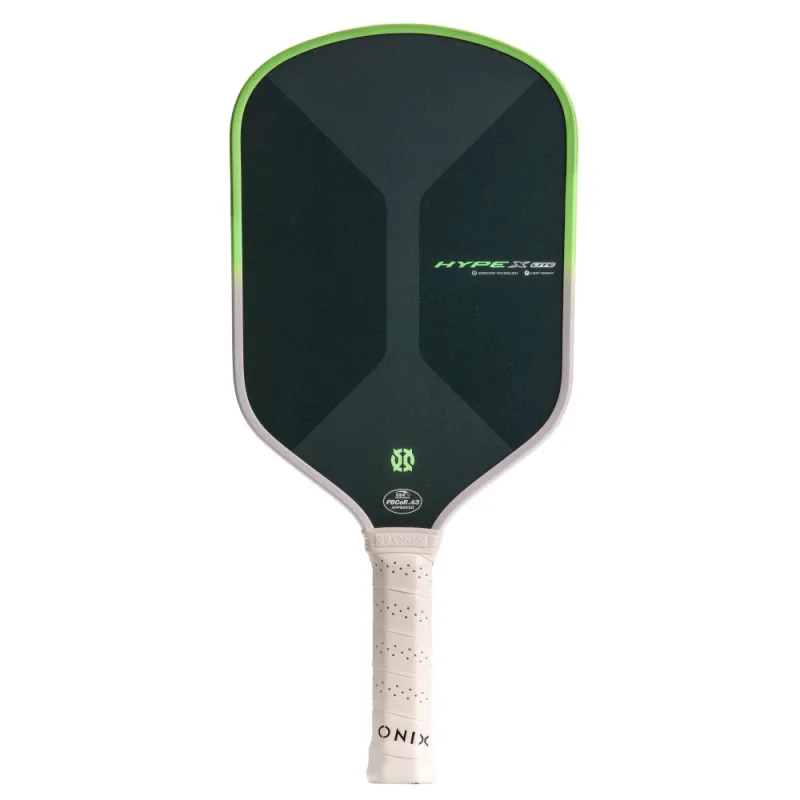
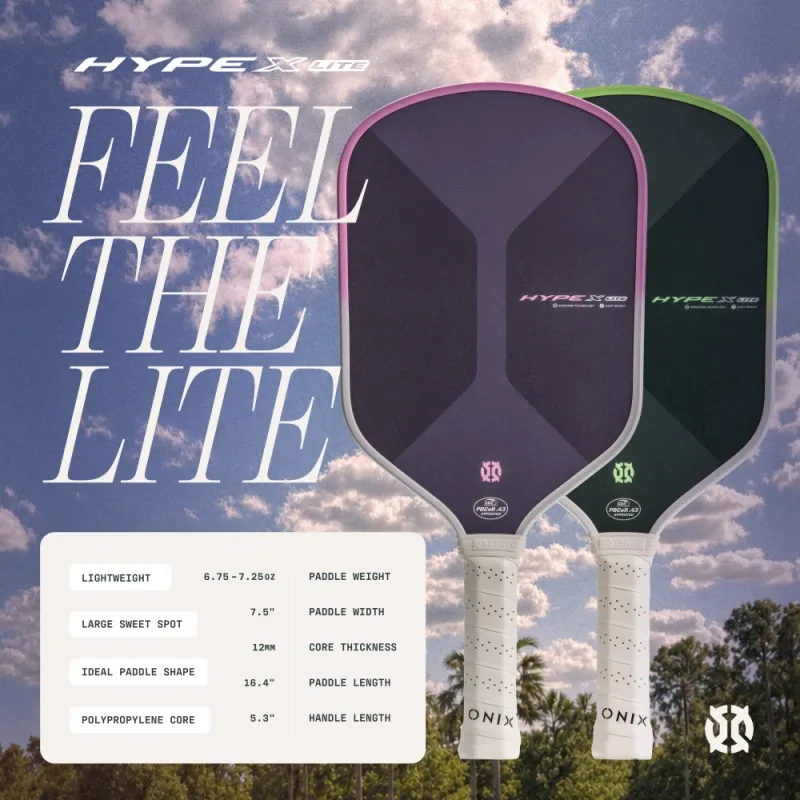
Weight is just as personal. Heavier paddles generate more power with less effort; lighter paddles move faster in quick exchanges. If hand speed matters most, the Hype X Lite Pickleball Paddle is designed around exactly that trade-off.
Matching Gear: Bags, Balls, Nets and Eyewear
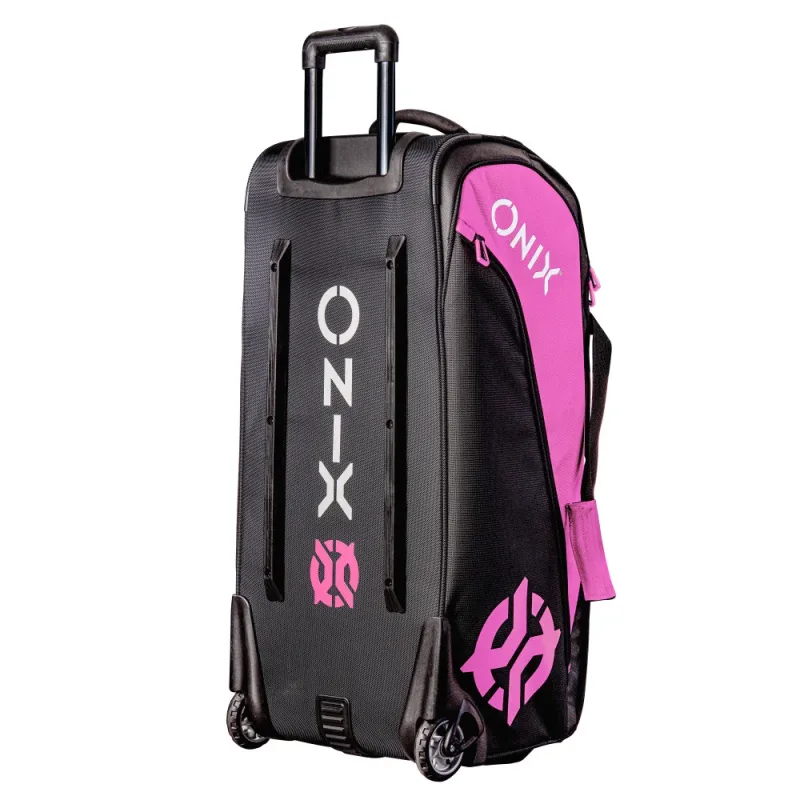
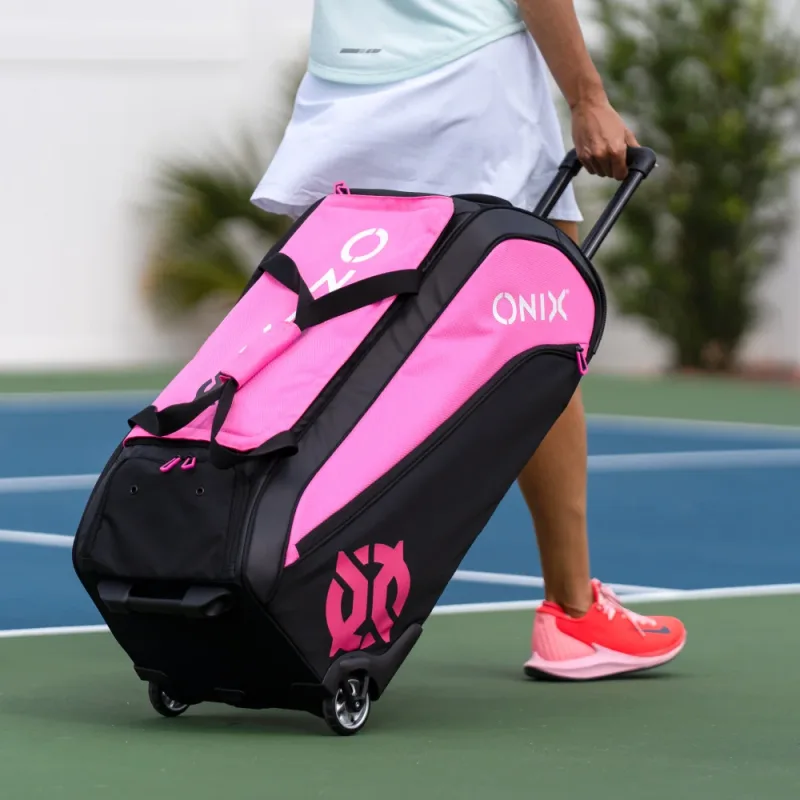
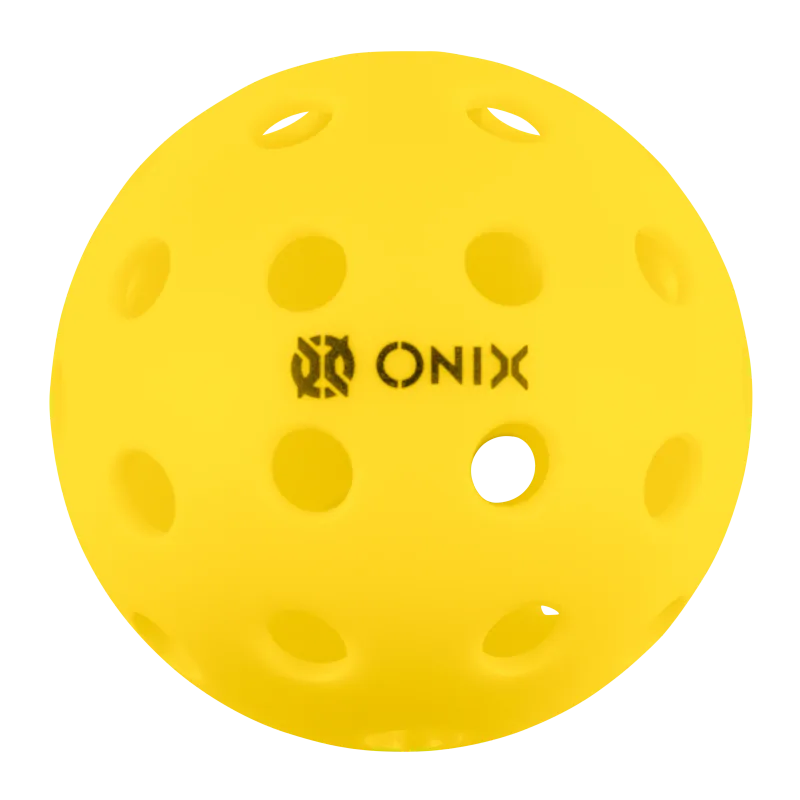
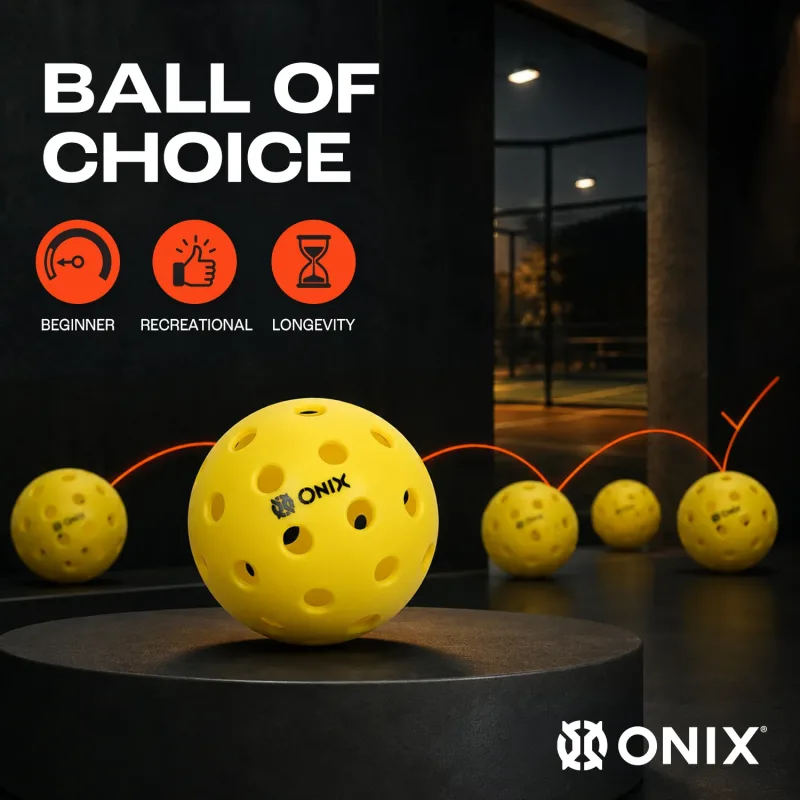
A paddle alone does not complete a setup. A wheeled bag keeps multiple paddles, shoes and layers organised on tournament days — the Pro Team Wheeled Pickleball Duffle Bag is built for that kind of travel. For outdoor sessions, you will want durable balls such as the Pure 2 Outdoor Pickleballs, and a portable net makes it easy to play anywhere.
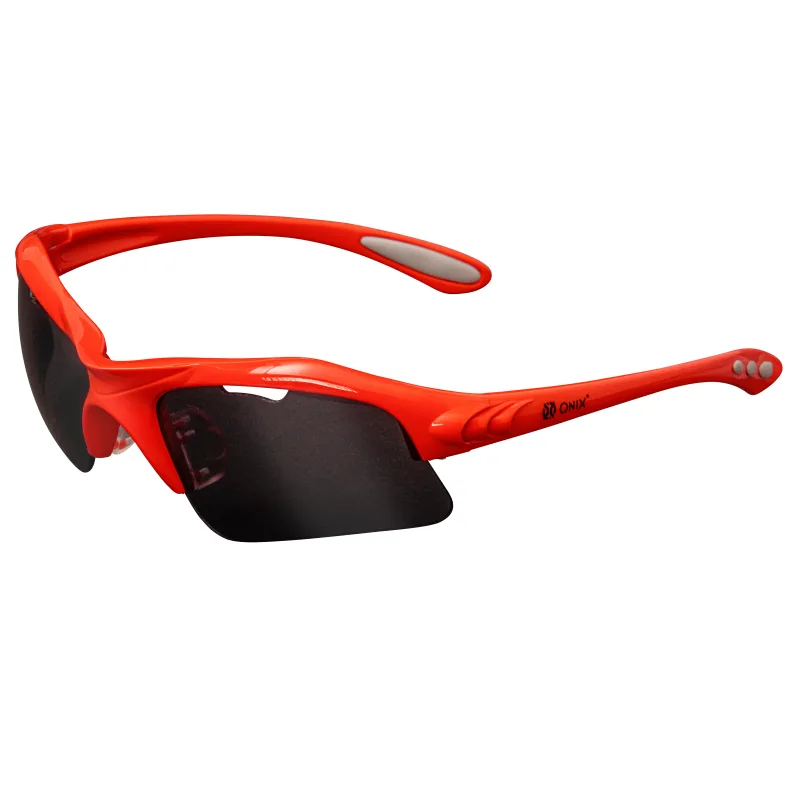
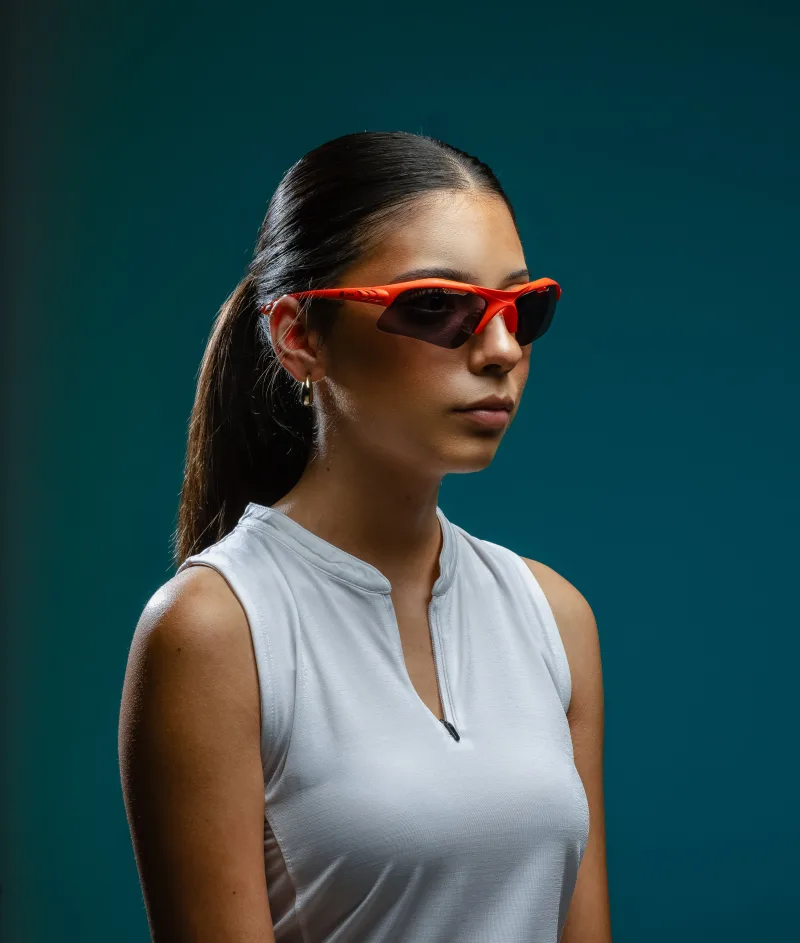
Do not overlook eye protection. Pickleball is played at close range, and a pair of Pickleball Glasses - Eagle adds a layer of safety without slowing you down. Together, these accessories turn a paddle purchase into a complete, ready-to-play kit.
Quick Picks by Player Type
- Beginners: prioritise forgiveness and value. Composite faces and wide bodies help you learn the fundamentals without fighting your equipment.
- Casual and intermediate players: look for a balance of spin and control. Raw carbon faces reward improving technique without demanding perfect contact.
- Tournament competitors: choose a paddle that matches your strategy — open throat for power and reach, standard shape for consistency, lighter builds for fast hands.
- Juniors and new players: lighter, shorter paddles make the game easier to control while technique develops.
Whatever you choose, the goal is the same: a paddle that feels natural in your hand and lets you play your game. Start with your playing style, match the face material and shape to it, then build the rest of your bag around that choice.