Why your V3, V2, or Malice paddle needs its own cover
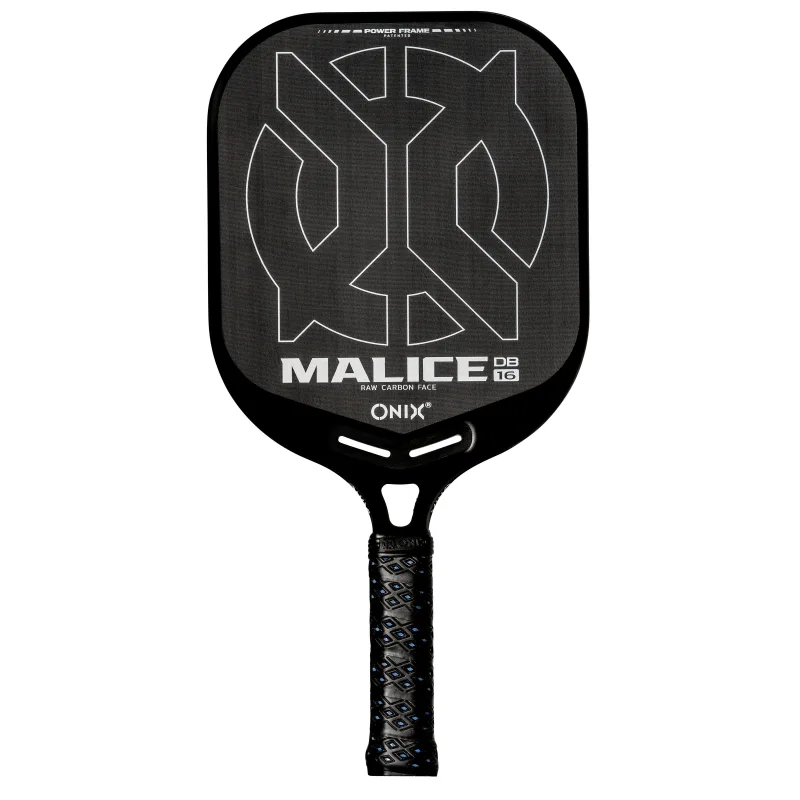
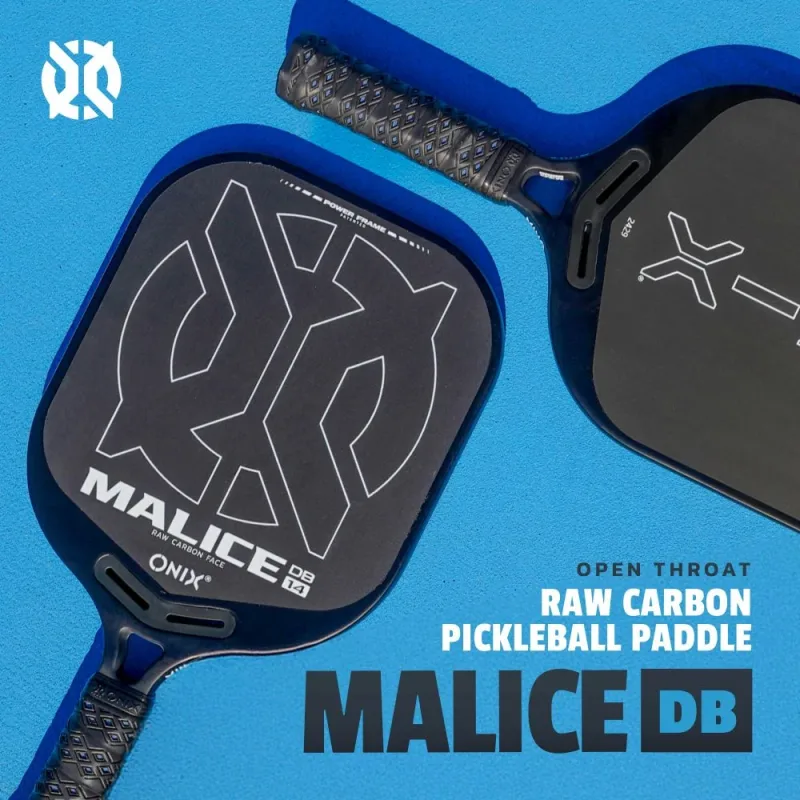
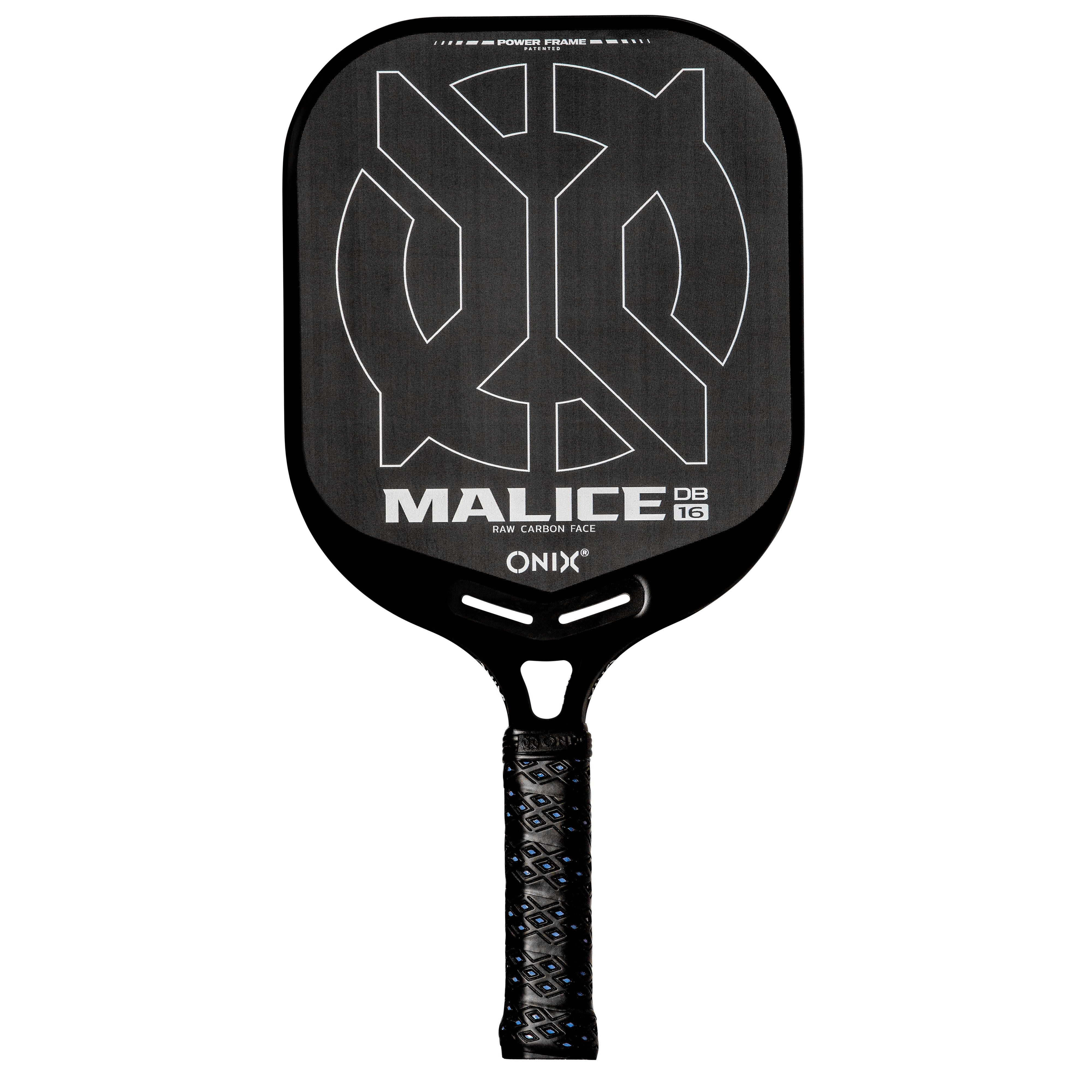
A generic sleeve is fine for a cheap paddle. For a raw carbon face like the Malice DB Open Throat Raw Carbon Fiber Pickleball Paddle, it's not. The textured surface that gives you spin is also the first thing to smooth out when it rubs against a zipper or another paddle. I learned this the hard way after two months of throwing my V2 into a duffel with a water bottle and a set of keys. The face looked like it had been sanded. A dedicated cover costs less than a new paddle and keeps the surface intact.
Cover vs. Pro Team Pickleball Paddle Bag vs. Pickleball Backpack
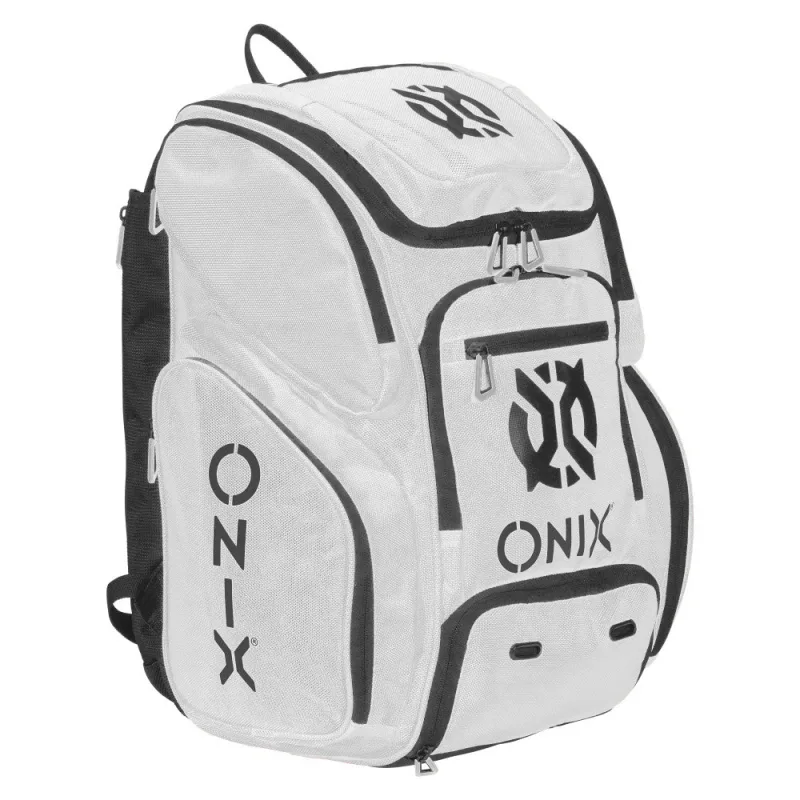
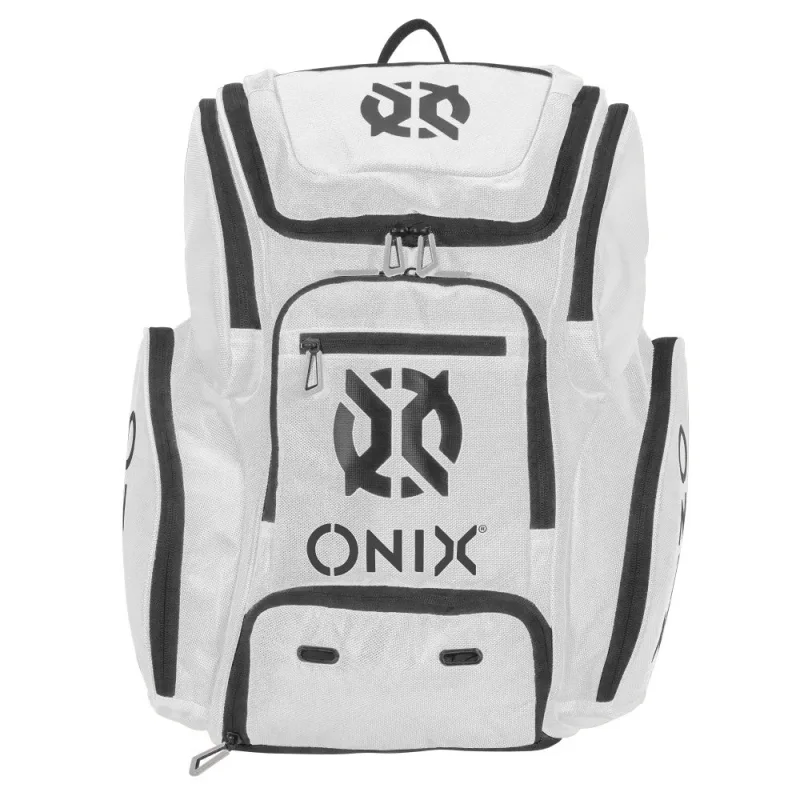
These three do different jobs. A paddle cover is for one paddle — it goes over the face and edge guard, and it's what you carry to the court when you're only bringing one stick. A paddle bag holds two to four paddles plus balls, and it's what you leave in the car. The Pro Team Pickleball Backpack is for tournament day, when you need paddles, a towel, water, and a change of shirt in one place.
If you play three times a week, you probably want all three. The cover protects the face in transit. The bag keeps everything together. The backpack saves your shoulders when you're parking six blocks from the courts.
Edge guard, face, and grip: the three spots that wear out first
Paddles don't die from use. They die from storage. Here's what goes first:
- Edge guard — the plastic trim around the perimeter. It cracks when a paddle slides around loose in a bag and the corner catches on something hard. Once it lifts, the core is exposed.
- Face — raw carbon and composite surfaces pick up scratches from other paddles, zippers, and grit. A scratched face loses spin and consistency.
- Grip — sweat and dirt break down the wrap faster than play does. If you leave a paddle in a hot car, the adhesive backing lets go and the grip twists.
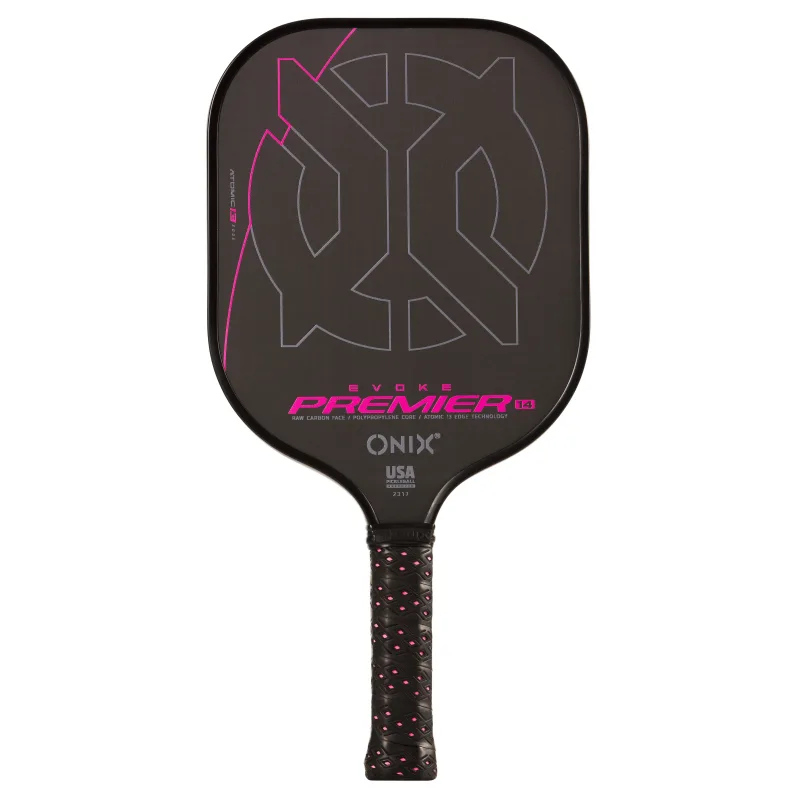
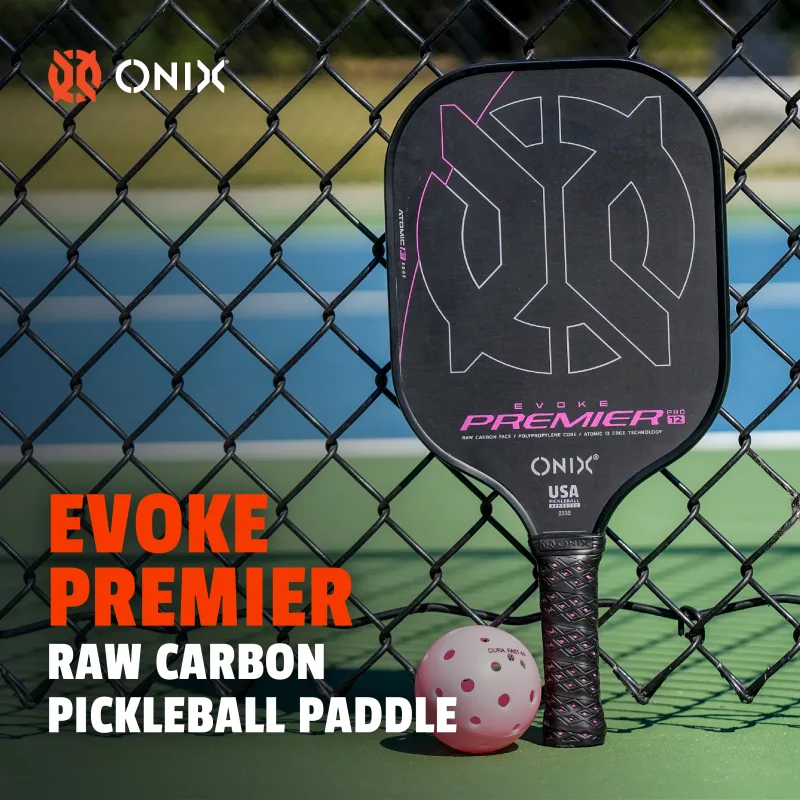
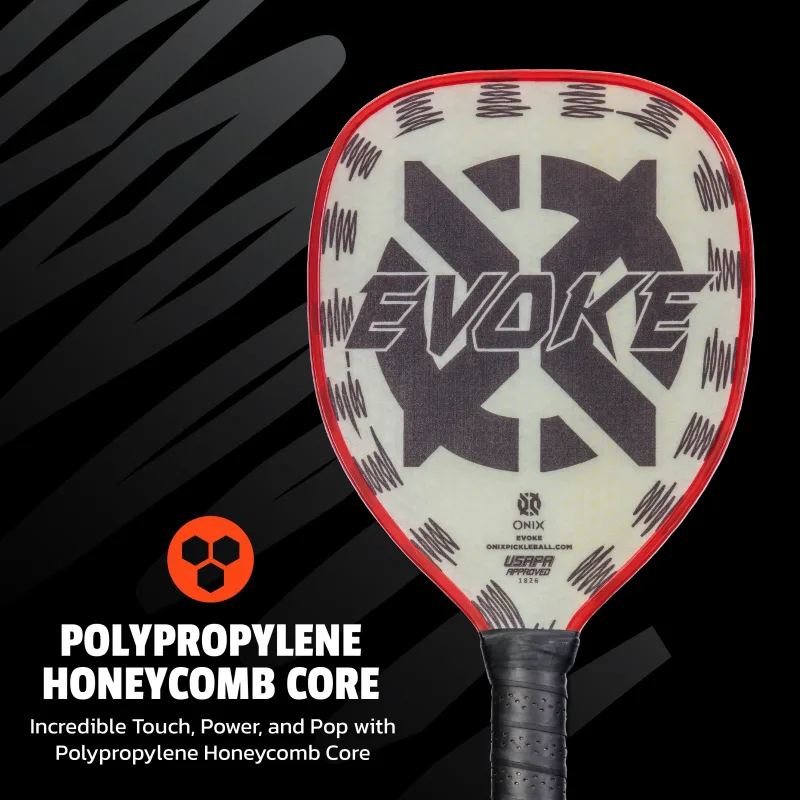
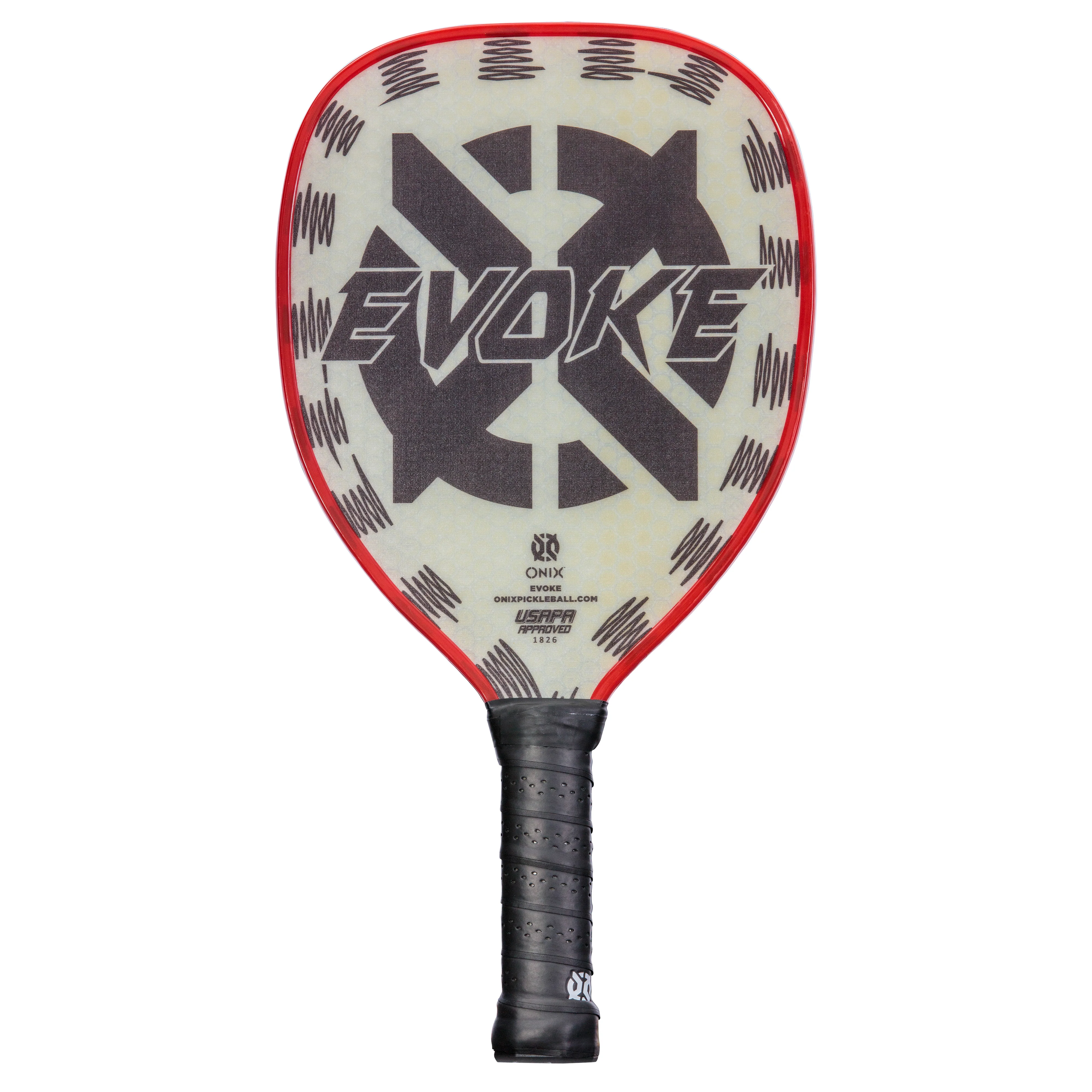
I keep a cover on my Evoke Premier Raw Carbon Pickleball Paddle even when it's sitting in the bag. The cover keeps the edge guard from catching on the bag's internal dividers, and it stops the face from rubbing against my other paddle.
Packing a Pro Tournament Pickleball Net with Wheels, balls, and eyewear
A wheeled net bag is a different animal. You've got poles, a net, and hardware in one compartment, and a paddle in the other. The trick is to pack the net first, then put paddles on top — never underneath. If a pole presses against a paddle face for an hour in a hot trunk, you can end up with a dent in the core.
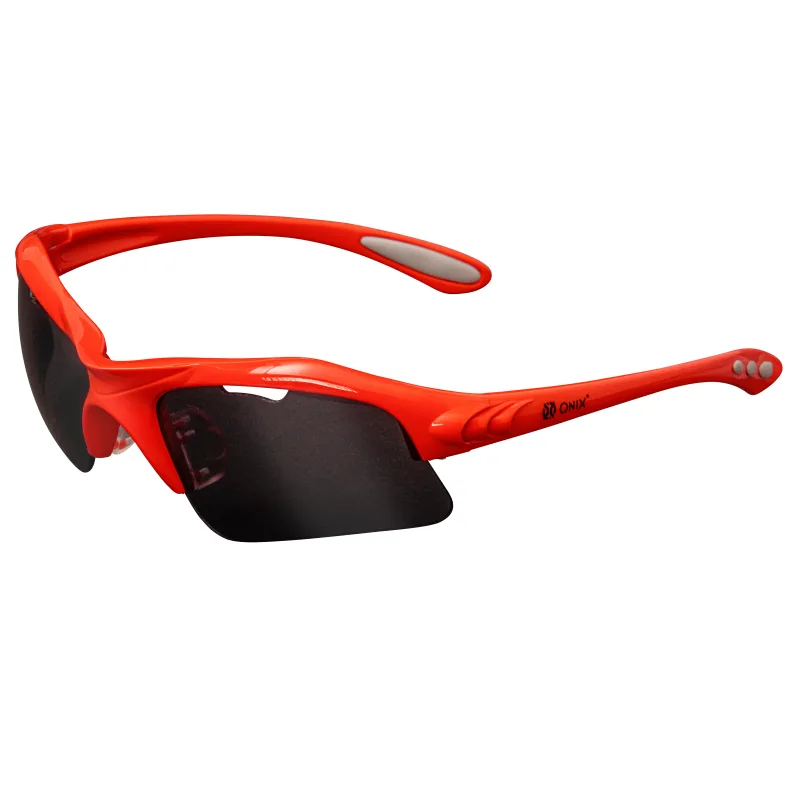
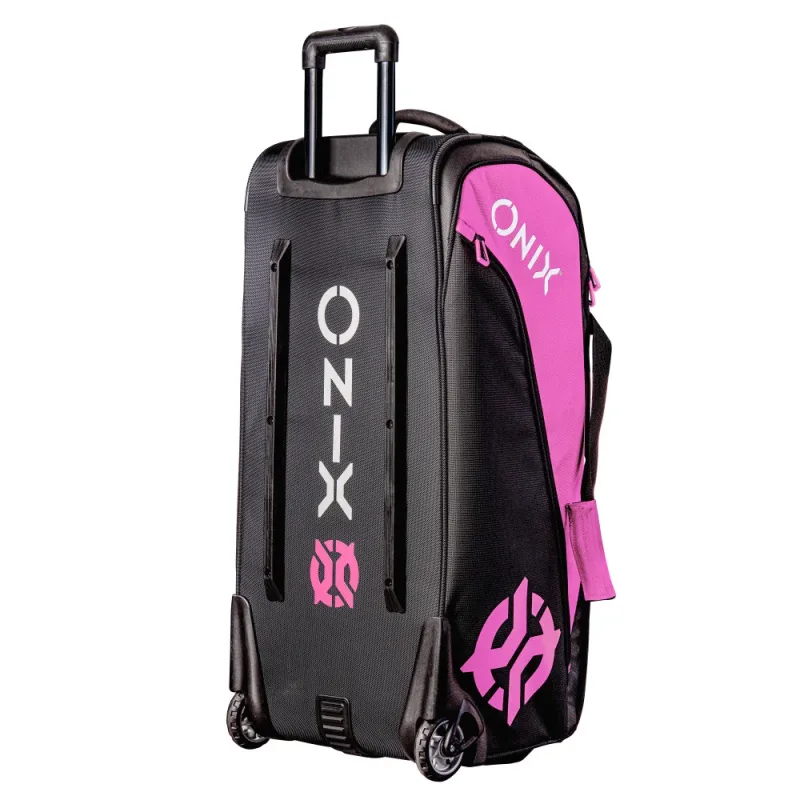
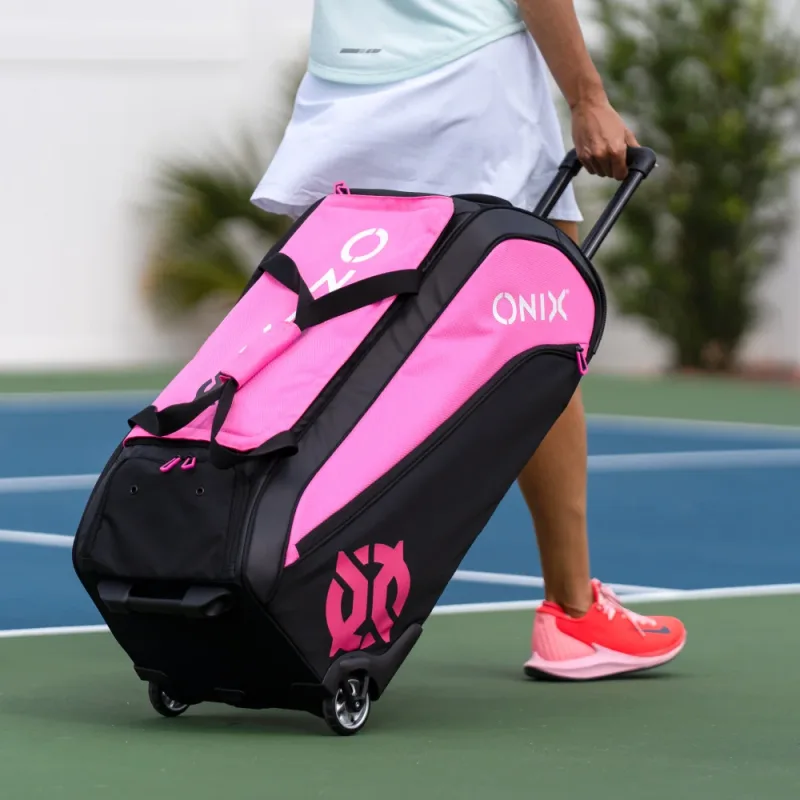
Balls go in a side pocket, not loose. Eyewear goes in a hard case. I use the Pickleball Glasses - Eagle and keep them in a clamshell case so they don't get crushed. If you're carrying a Pro Team Wheeled Pickleball Duffle Bag, the paddle sleeve is on the outside — use it. That's what it's for.
One more thing: don't stack a heavy net bag on top of a paddle bag in the trunk. The weight transfers. Put the net bag on the bottom, paddles on top, and nothing on the paddles.
Quick sizing check before you buy: open-throat and composite paddles
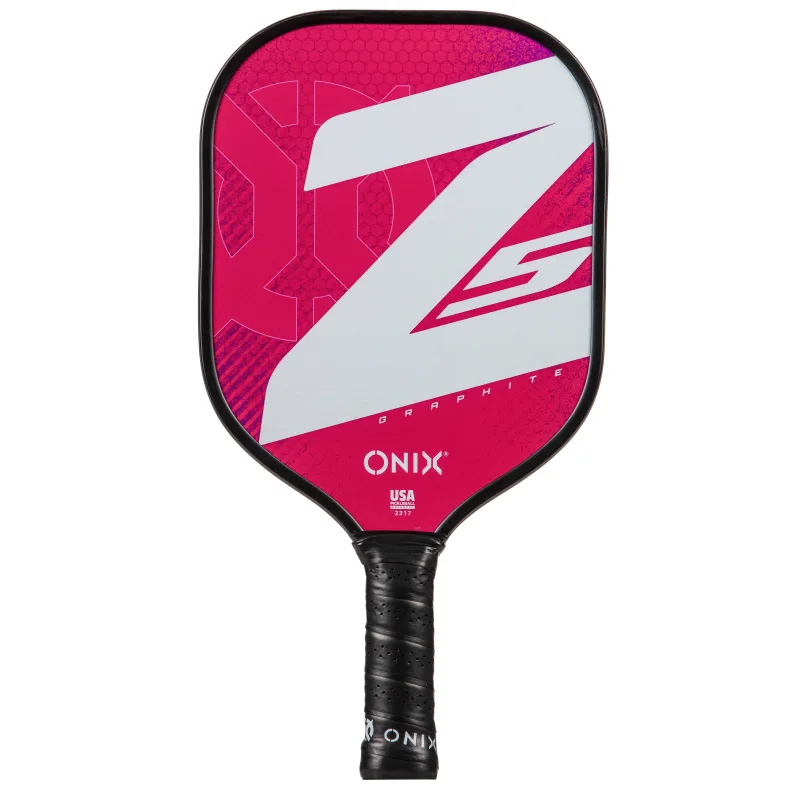
Most covers fit standard shapes, but open-throat paddles like the Malice and the Z5 Mod V2 Graphite Pickleball Paddle have a wider throat area. Measure the width at the widest point, not the face. If it's over 8 inches, look for a cover with a gusseted edge.
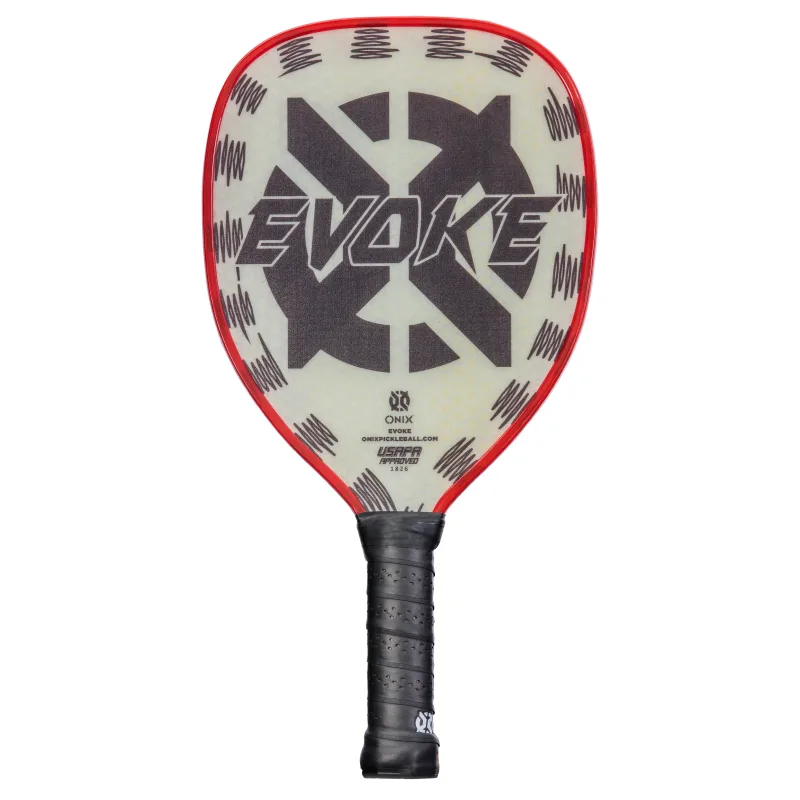
Composite paddles like the Evoke Tear Drop Composite Paddle are usually thinner, so a standard cover works. But if you're carrying two paddles in one cover, check the depth. Two 16mm paddles plus a grip can be tight. I've seen people force a second paddle in and split the zipper.
Before you buy, grab a tape measure and check three numbers: length, width at the throat, and thickness with the grip. That's it. Those three numbers tell you whether a cover fits or whether you're going to be returning it next week.