What the face material actually changes
Two paddles can look identical in shape and weigh the same, yet play like completely different instruments. The face is usually why. It decides how much pop you get on a drive, how much spin you can load onto a dink, and — this is the part nobody mentions at the demo table — how long that spin lasts before the surface goes smooth.
Composite faces are laminated layers over a honeycomb core. Graphite, fiberglass, or a blend. They feel crisp out of the box and hold that feel for a long time. Raw carbon fiber is exactly what the name says: the carbon weave is left exposed instead of sealed under a coating. That texture bites the ball. The trade-off is that the texture wears down with heavy play, and how fast depends on how often you hit and what kind of balls you hit.
Here's the practical version. If you want spin without thinking about it, raw carbon gives it to you. If you want a face that plays the same in month eight as it did in week one, composite is the safer bet.
Composite faces: control-first, consistent, familiar
Composite covers a lot of ground. A fiberglass-heavy face is softer and more forgiving; graphite adds stiffness and a bit more punch. Most players who describe themselves as "control players" end up here, and for good reason — the ball comes off predictably, and mishits don't punish you as badly.
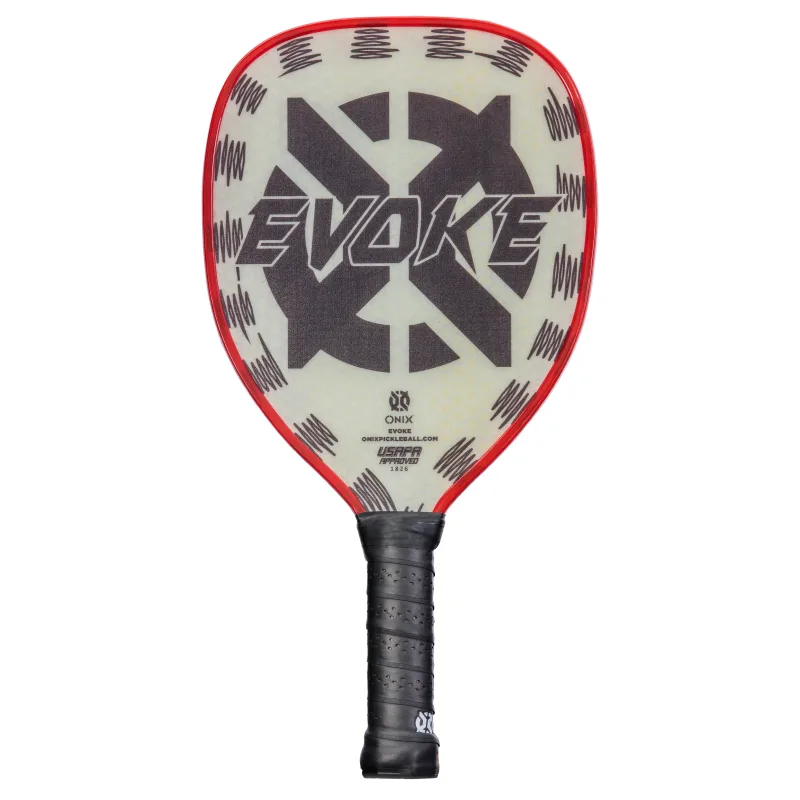
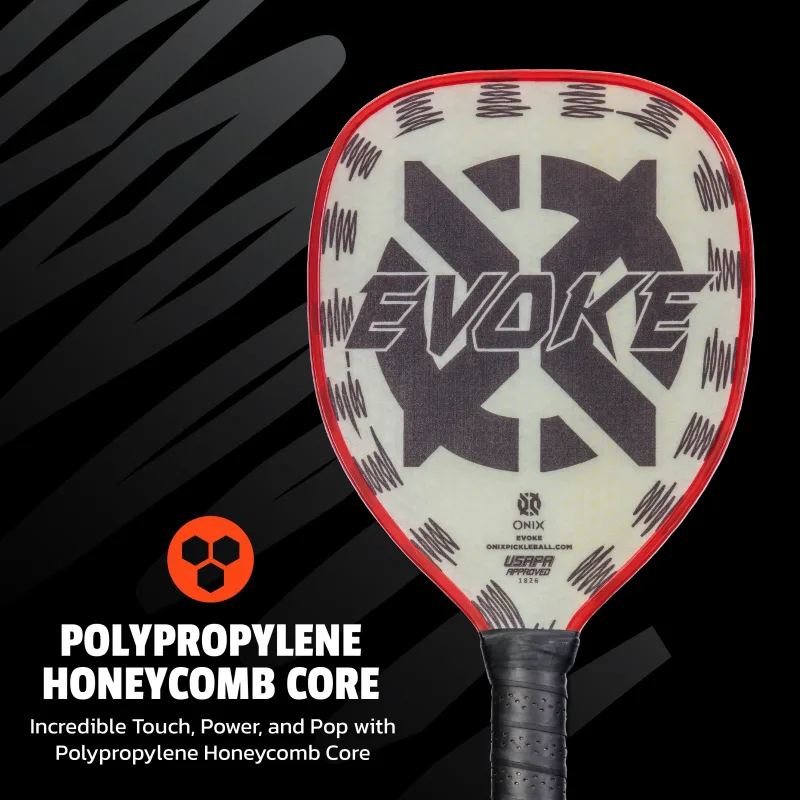
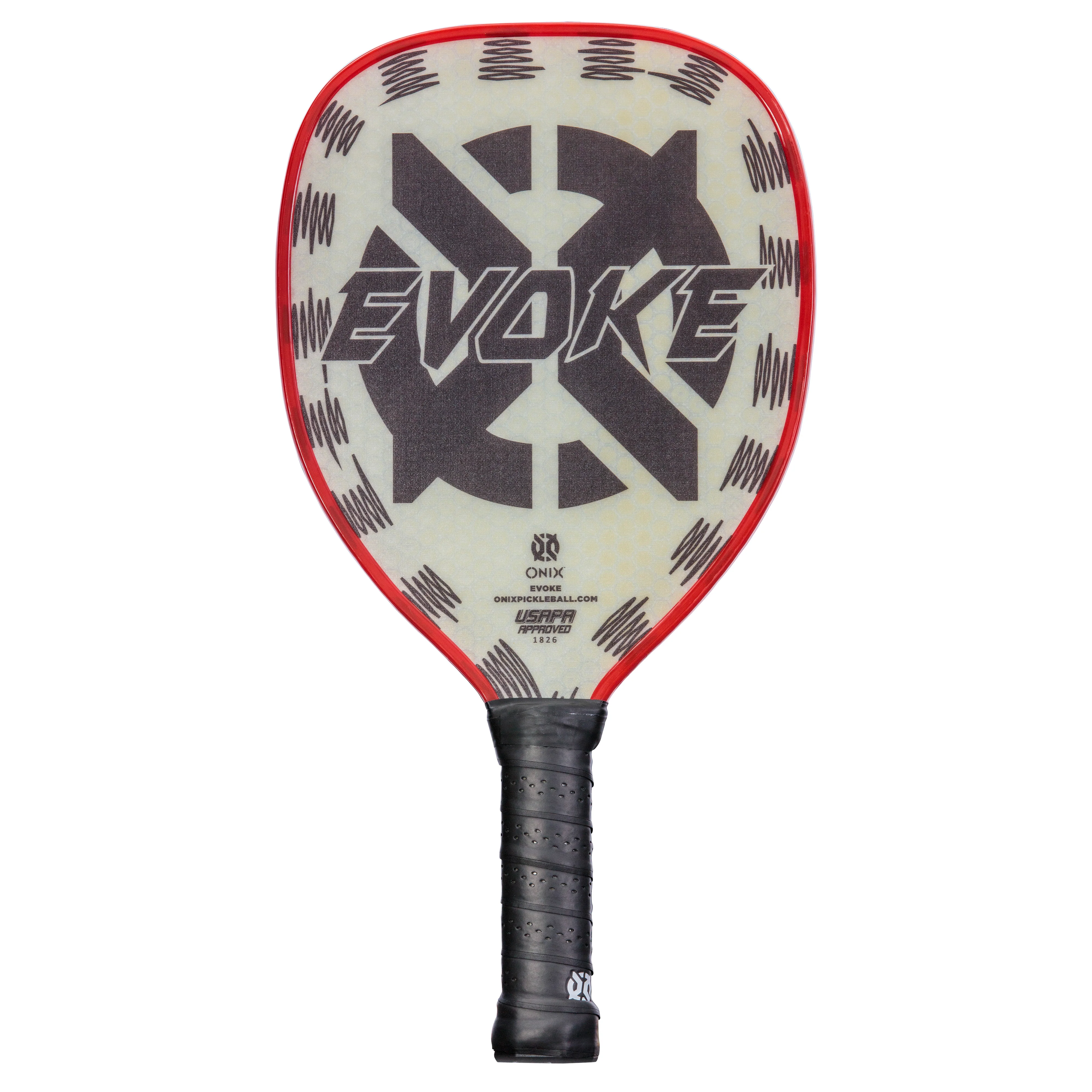
The Evoke Tear Drop Composite Paddle is a good example of what a tear-drop composite frame does well. The narrower head keeps the sweet spot closer to your hand, which helps on quick exchanges at the kitchen line. Pair that with a composite face and you get a setup that rewards placement over power.
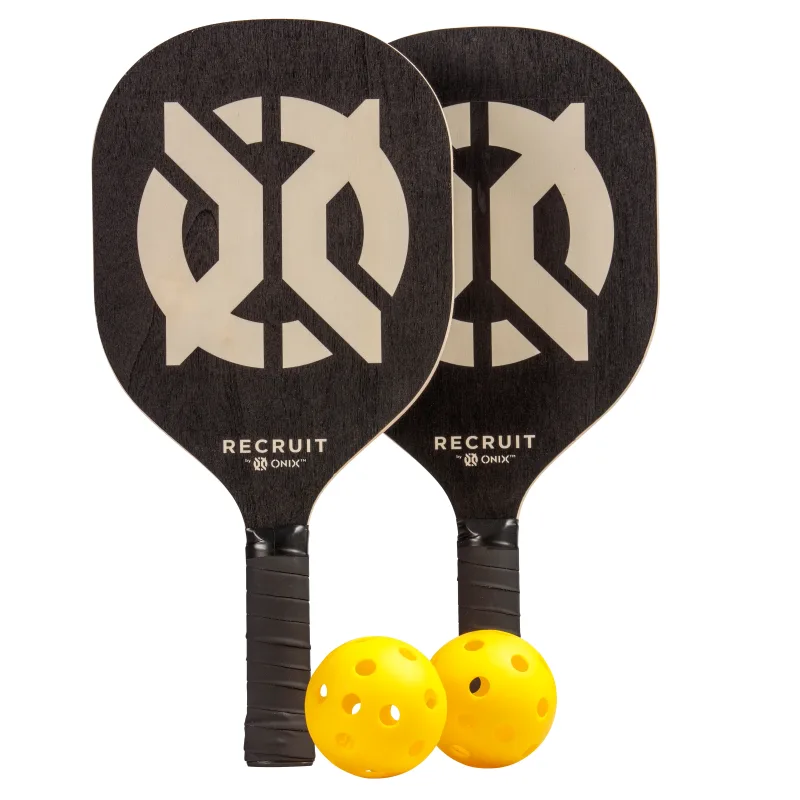
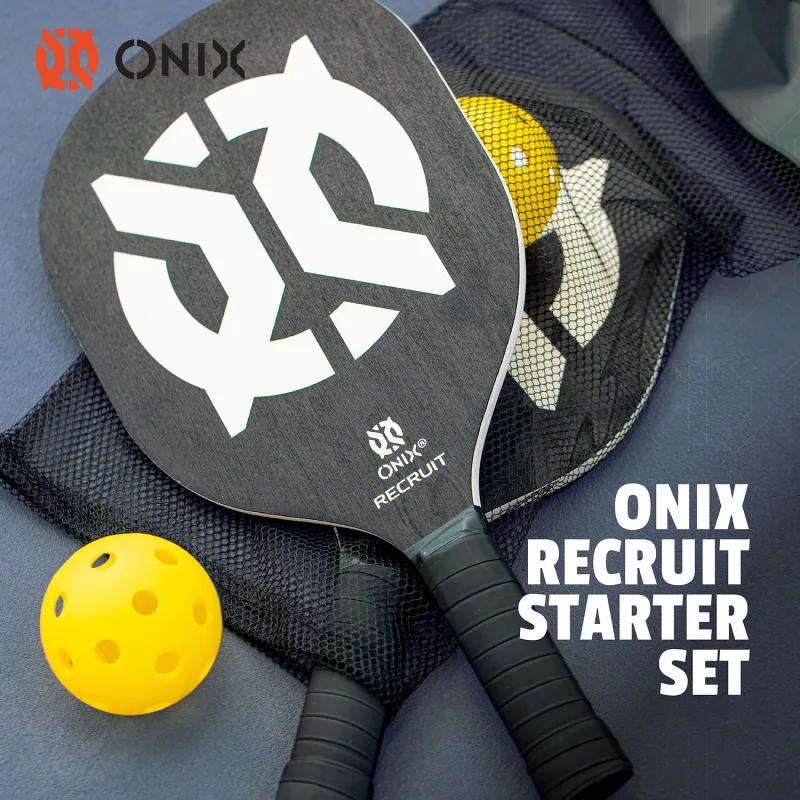
If you're coming from tennis or just learning to reset fast balls, the Recruit Beginner Pickleball Set covers the basics without asking you to commit to a face material you don't understand yet. Play a few months. Then decide whether you want more bite.
Raw carbon fiber: spin you can feel on the first dink
The first time you hit a cut shot with a raw carbon face, you notice it. The ball grabs, drops, and the guy across the net misreads the bounce. That's the whole point.
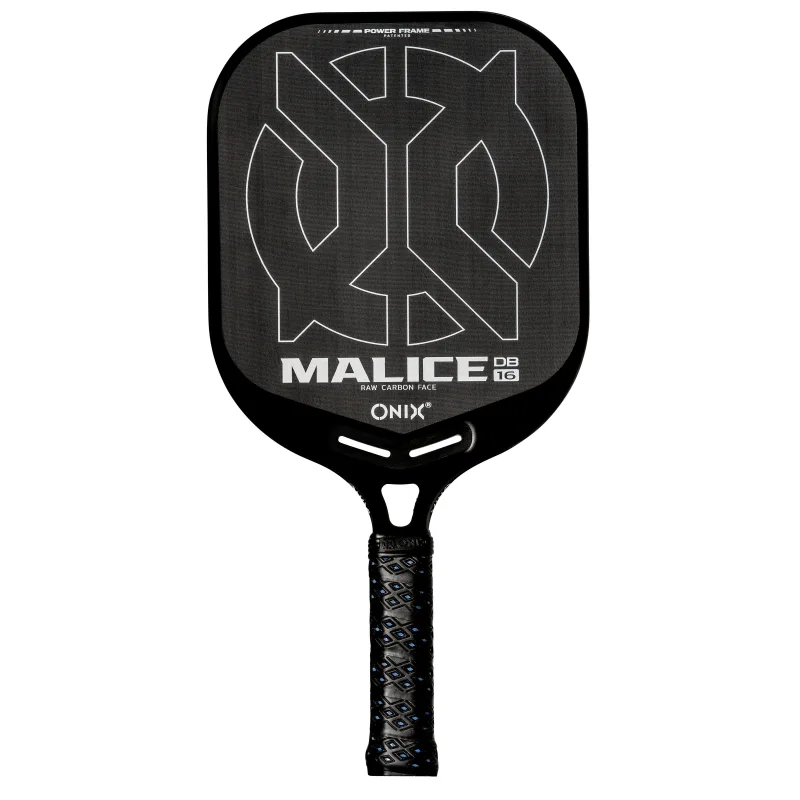
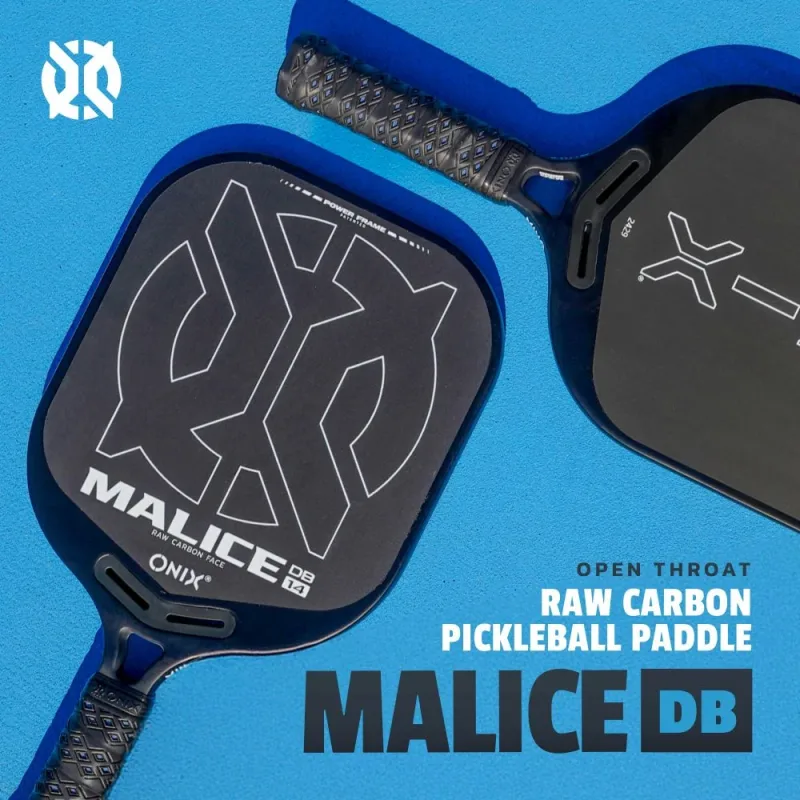
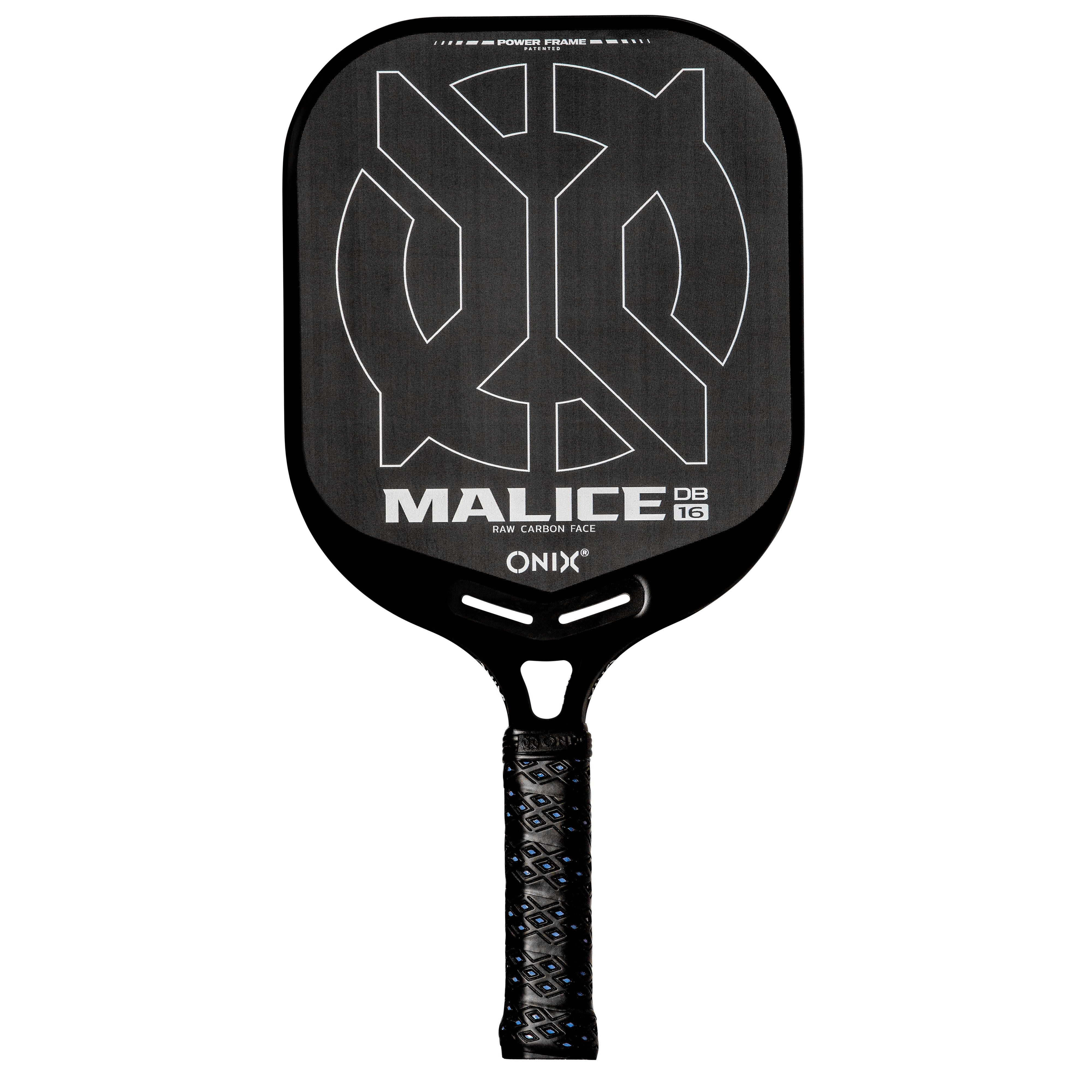
The Malice DB Open Throat Raw Carbon Fiber Pickleball Paddle pairs that textured face with an open throat frame, which is worth talking about separately. Open throat means the material between the handle and the head is cut away. Less mass there, more flex, and a slightly different swing feel on drives. Some players love the whip it adds. Others find it takes a session or two to trust.
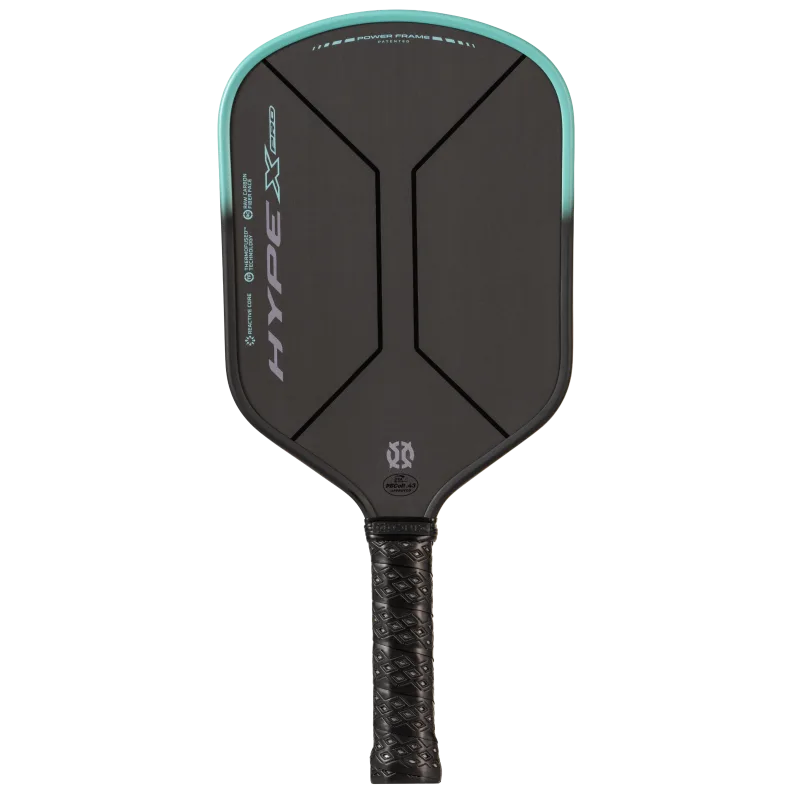
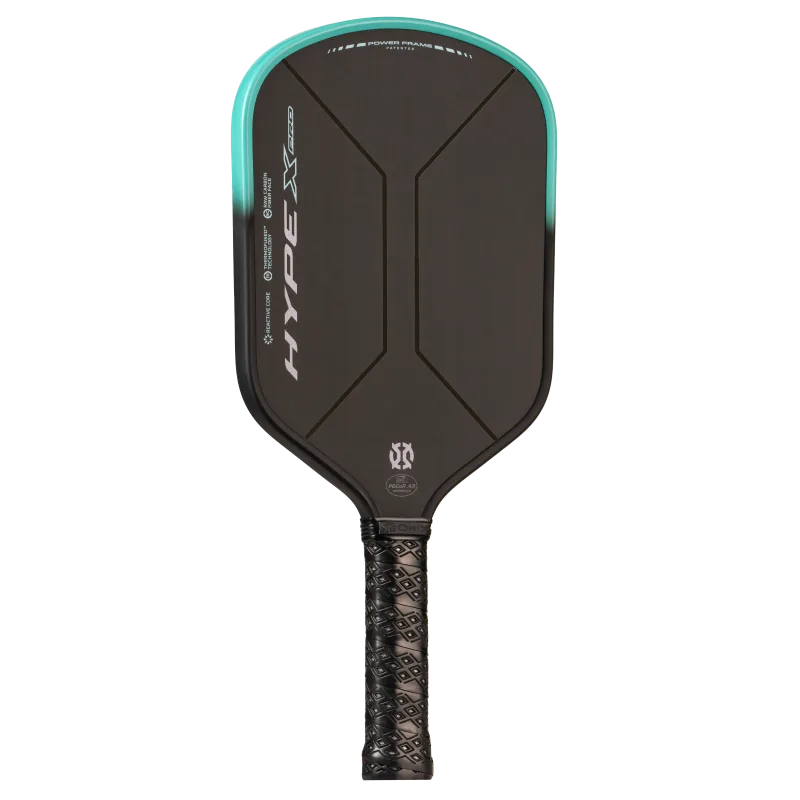
Spin hounds who want the same face in a more traditional frame should look at the Hype X Pro Raw Carbon Pickleball Paddle. Same category of surface, different balance point. I'd try both before buying if you can borrow them for an hour.
Open throat vs standard shape at the net
Open throat frames tend to swing a little faster because there's less material to move. At the kitchen line, that shows up in hand battles — the exchanges where the ball is on you before you've finished your previous shot. A faster swing gets the paddle there.
What you give up is some stability on off-center contact. The mass that isn't in the throat isn't absorbing vibration either. Players with elbow sensitivity often notice this within the first twenty minutes. Not a dealbreaker, just something to test rather than assume.
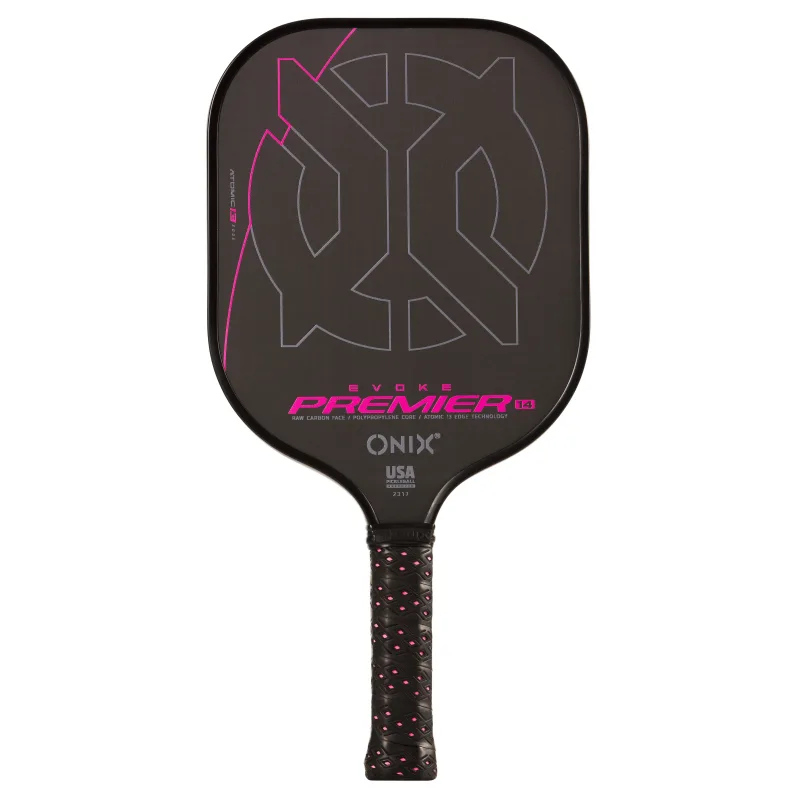
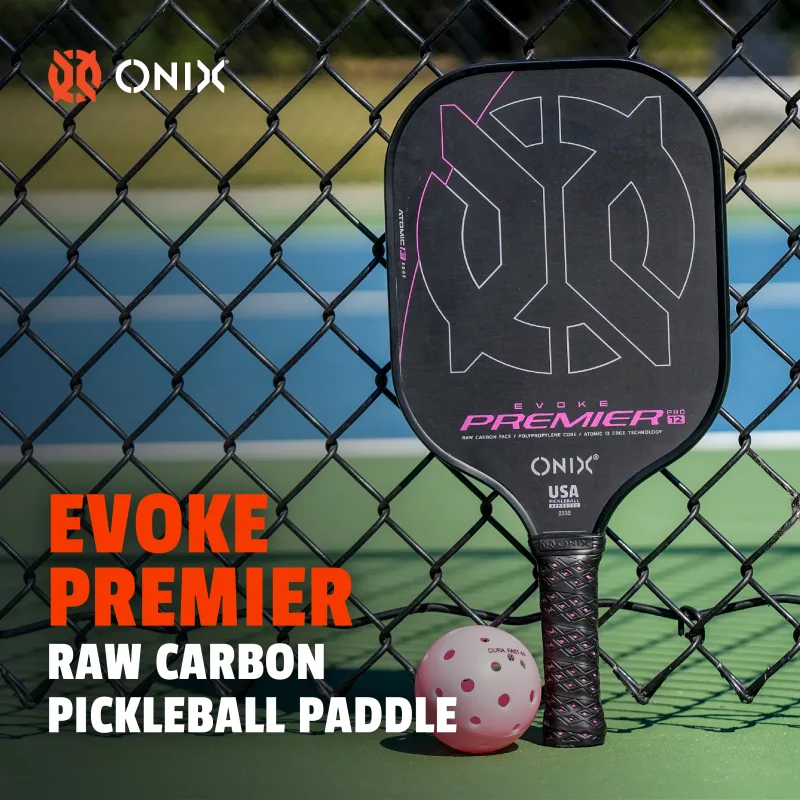
Standard-shaped frames like the Evoke Premier Raw Carbon Pickleball Paddle feel more planted. Bigger hitting zone, more forgiveness, slightly slower through the air. Most recreational players land here and stay here.
Matching the paddle to your actual game
Ask yourself one question: what costs you more points right now, too little power or too many errors?
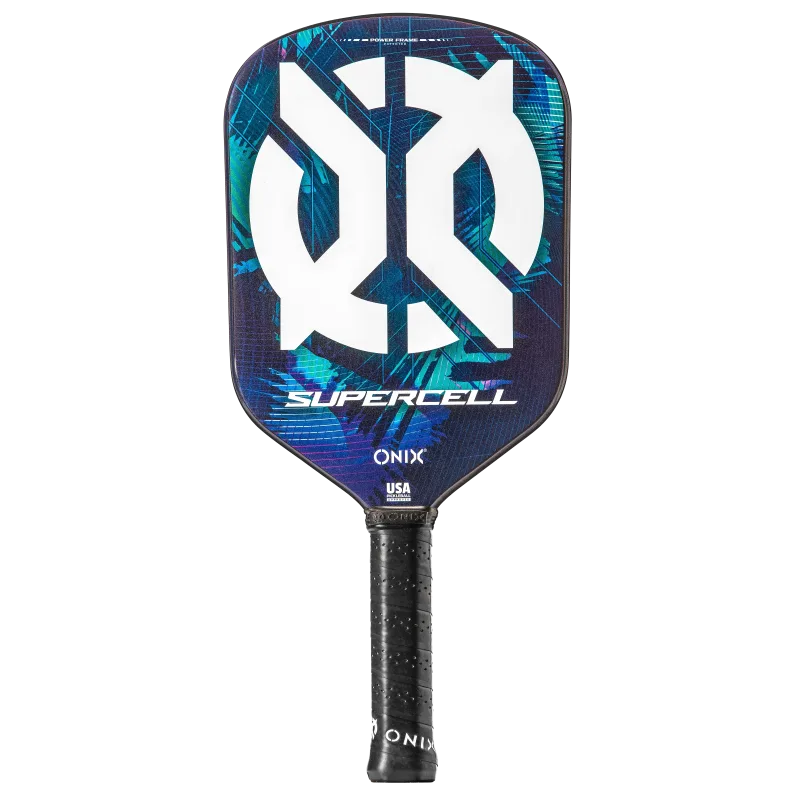
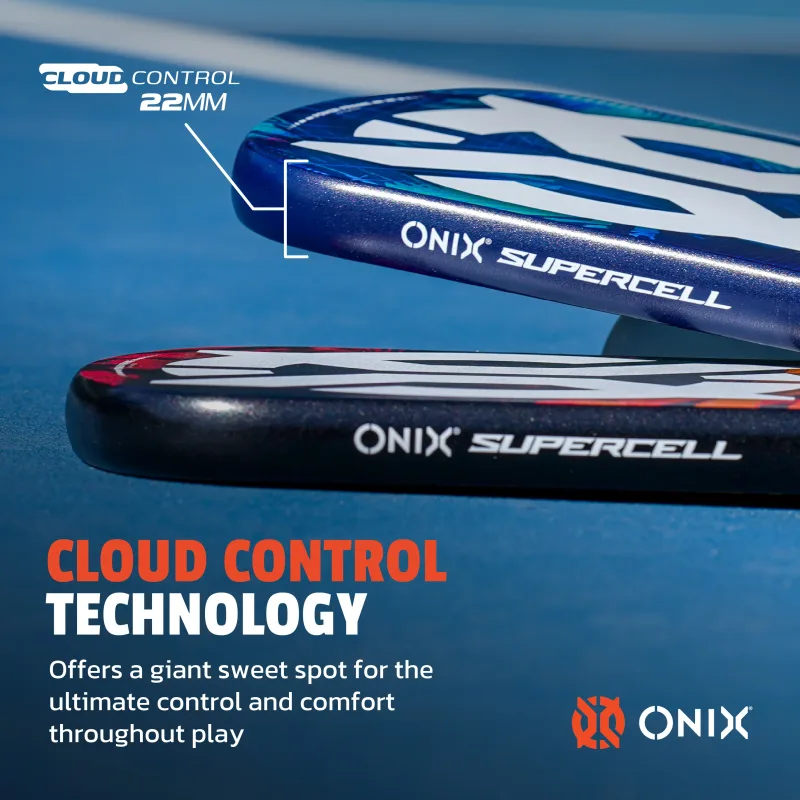
If it's errors, go composite. Something like the Supercell Pickleball Paddle keeps the face predictable while you work on consistency. If it's power, raw carbon with an open throat is the more interesting test.
Two things I'd add from experience. First, buy a paddle cover if you go raw carbon — a bare textured face rubbing against a duffle bag for a season will lose its bite faster than the surface itself would have worn. Second, don't chase spin ratings on a spec sheet. Hit with the paddle for a full session, including dinks, before you decide. Five minutes of drives tells you almost nothing about how a face behaves on a soft game.
Grab a ball machine or a patient friend, hit forty cut shots, and watch what the ball does on the second bounce. That's your answer.