Pickleball Paddles Buying Guide: Find Your Perfect Fit
Choosing the right paddle is the single biggest equipment decision you'll make in pickleball. The wrong one leaves you fighting your own gear; the right one makes dinks, drives, and resets feel effortless. This guide walks through shape, weight, grip size, face materials, and the upgrade path from recreational to tournament play — plus the accessories that keep your paddle and your game in shape.
1. Shape, Weight, and Grip: The Three Core Specs
Paddle shape
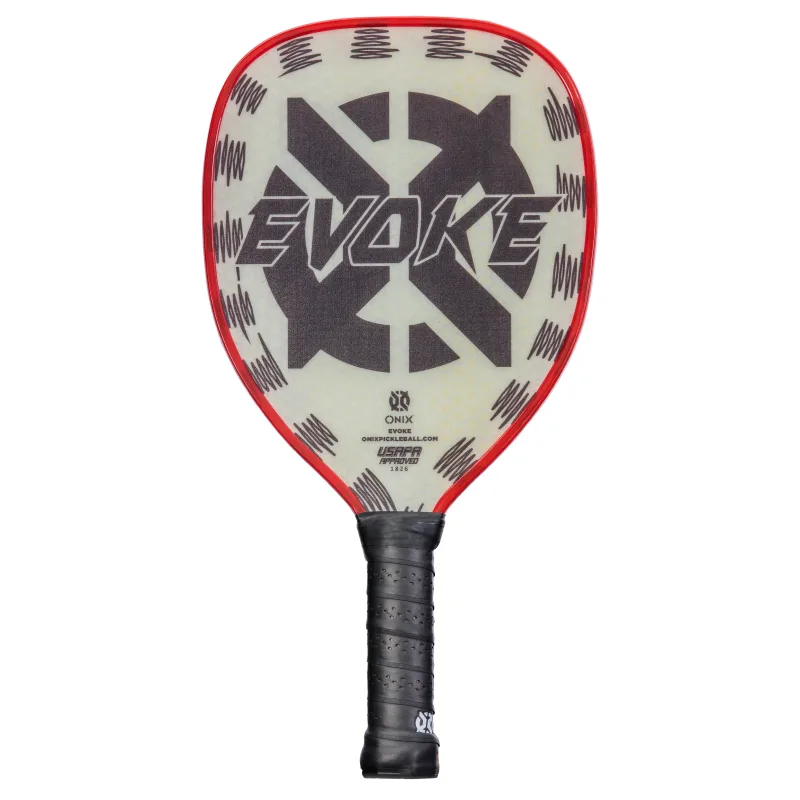
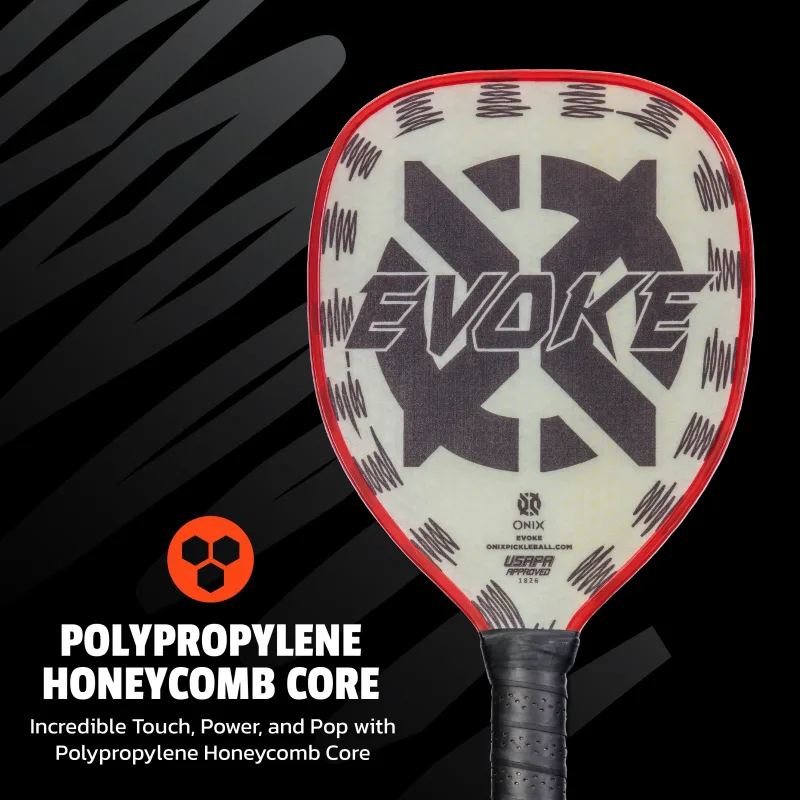
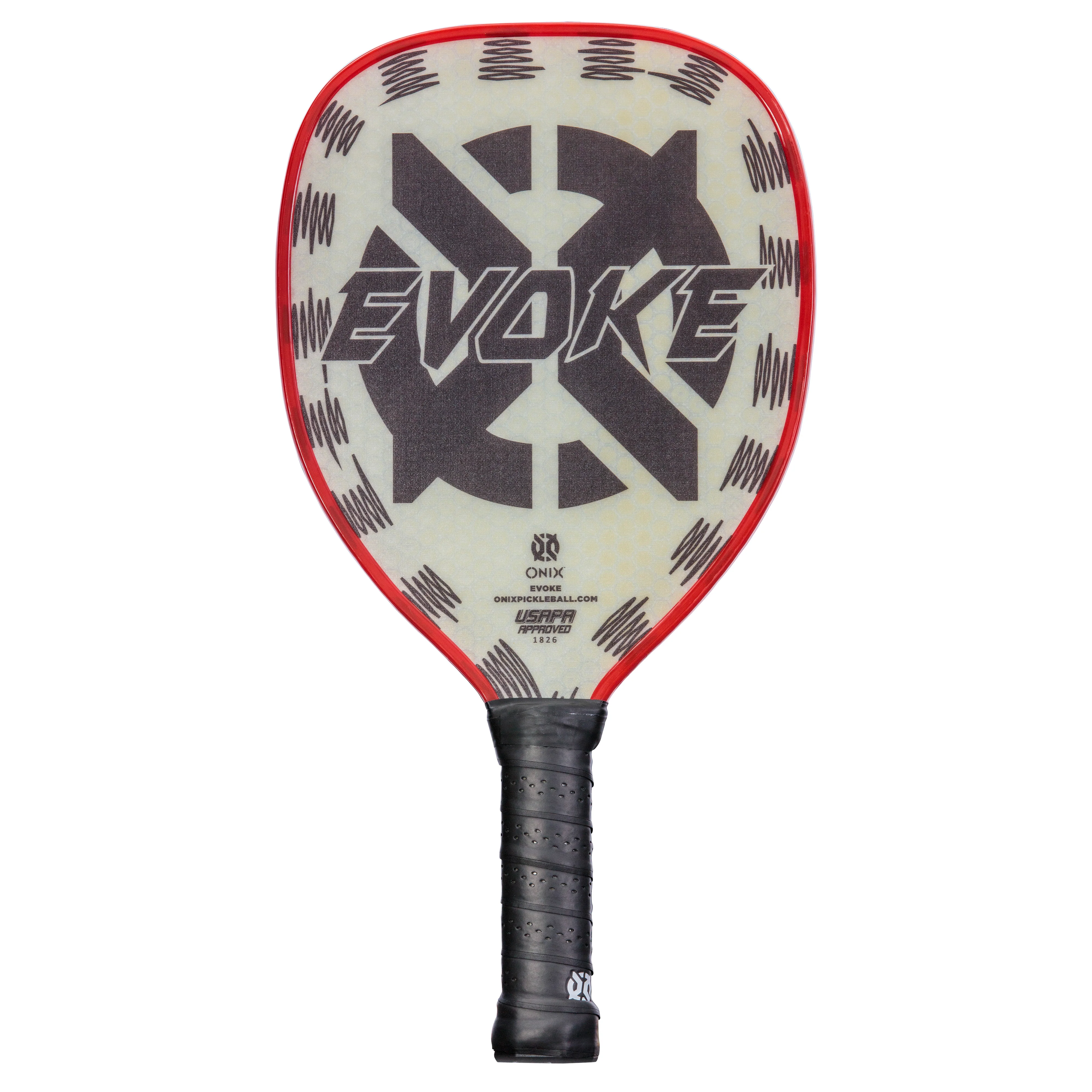
Most paddles fall into three shapes. Wide-body paddles have a larger sweet spot and forgive off-center contact — ideal for beginners and doubles specialists who value consistency. Elongated paddles add reach and leverage for serves and drives, but the sweet spot is smaller and higher on the face. Tear drop shapes split the difference, offering a slightly longer face with a manageable sweet spot, which is why models like the Evoke Tear Drop Composite Paddle appeal to players who want both touch and power.
Weight
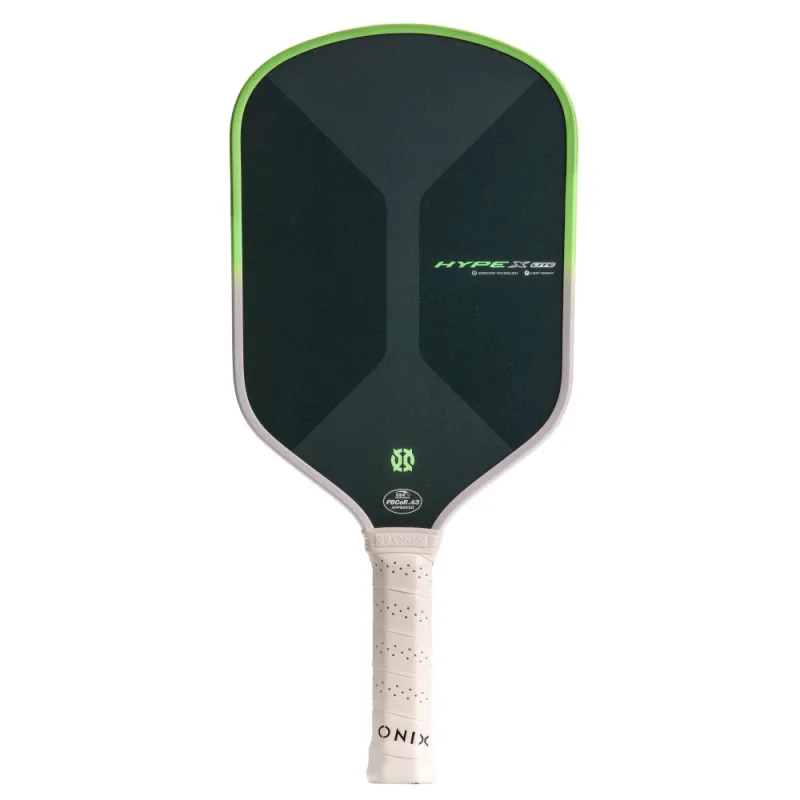
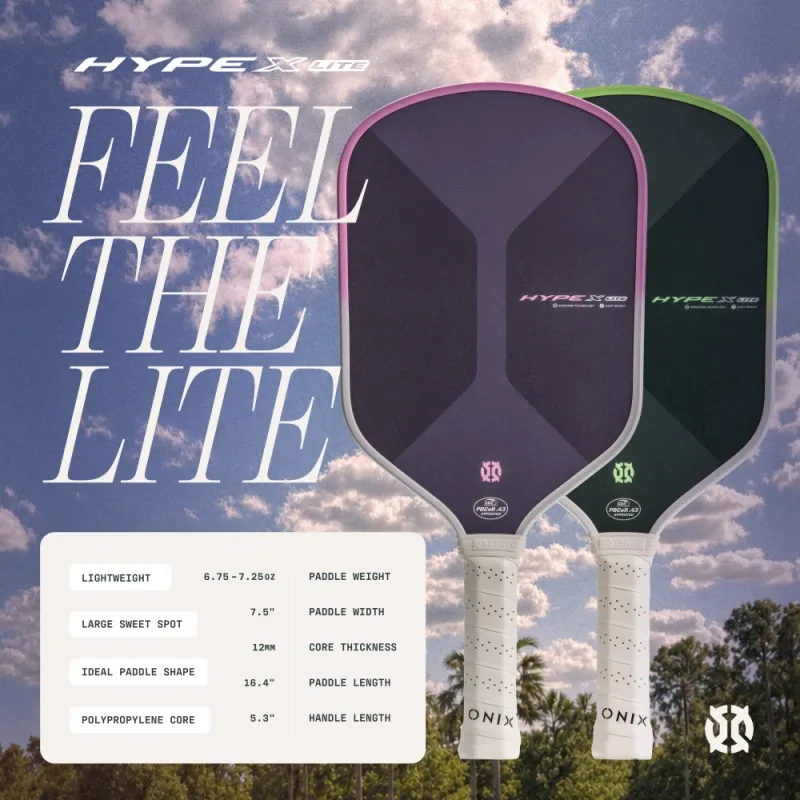
Heavier paddles (roughly 8+ oz) generate more power and stability with less swing effort, but they fatigue your arm over a long session. Lighter paddles (under 7.5 oz) are quicker at the net and easier on the shoulder. If you're unsure, start mid-weight and adjust. Lightweight options such as the Hype X Lite Pickleball Paddle suit players who prioritize hand speed and fast exchanges at the kitchen line.
Grip size and handle length
A grip that's too large prevents your fingers from wrapping comfortably; too small and the paddle twists in your hand. Measure your hand from the bottom crease of your palm to the tip of your ring finger. Most adults land between 4.0" and 4.5". Longer handles help two-handed backhands and players who choke up for dinks.
2. Recreational vs. Tournament Paddles: When to Upgrade
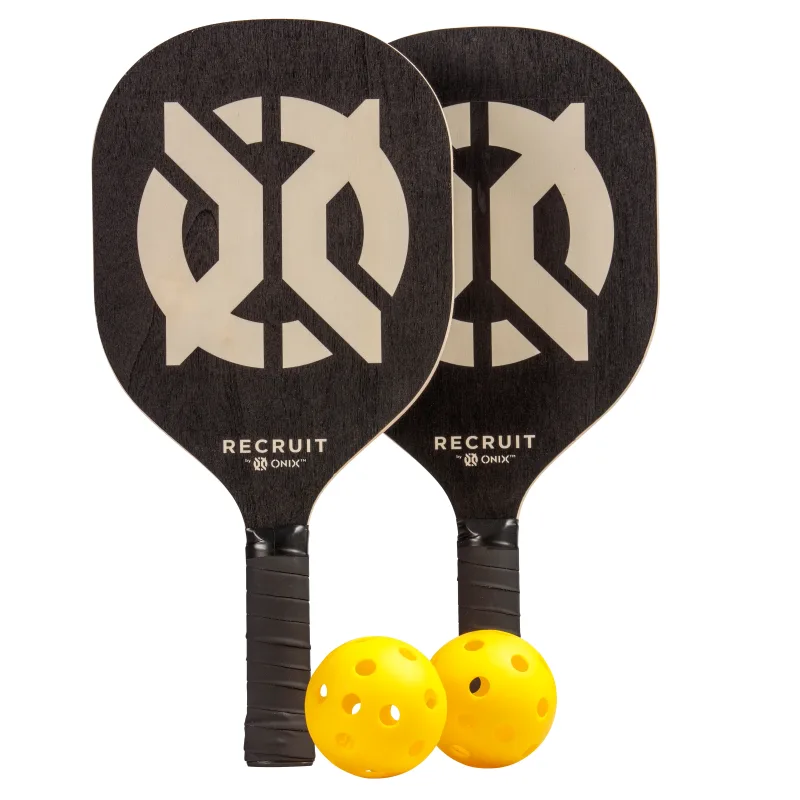
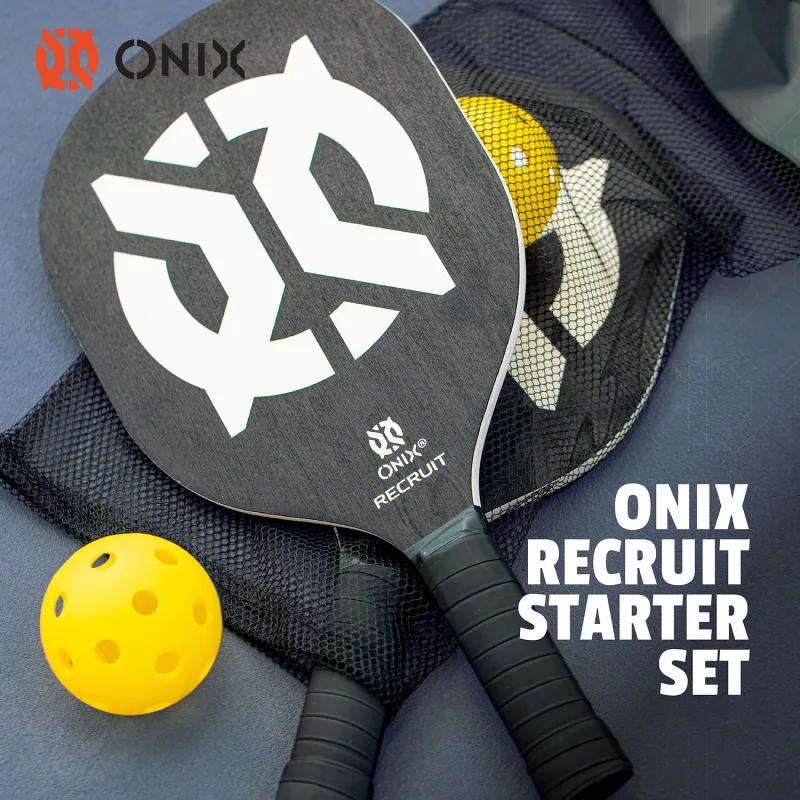
Recreational paddles are built for durability and forgiveness. They're perfect for learning the rules, developing a soft game, and playing casually with friends. Sets like the Recruit Beginner Pickleball Set get new players on the court quickly without over-investing.
You're ready to upgrade when you notice the paddle — not your technique — limiting you: shots die short, the face feels mushy, or you can't generate spin. Tournament-legal paddles typically use higher-grade cores, textured or raw carbon faces, and tighter manufacturing tolerances. They reward consistent mechanics with more spin, better control, and predictable pop.
3. Composite vs. Raw Carbon Fiber Faces
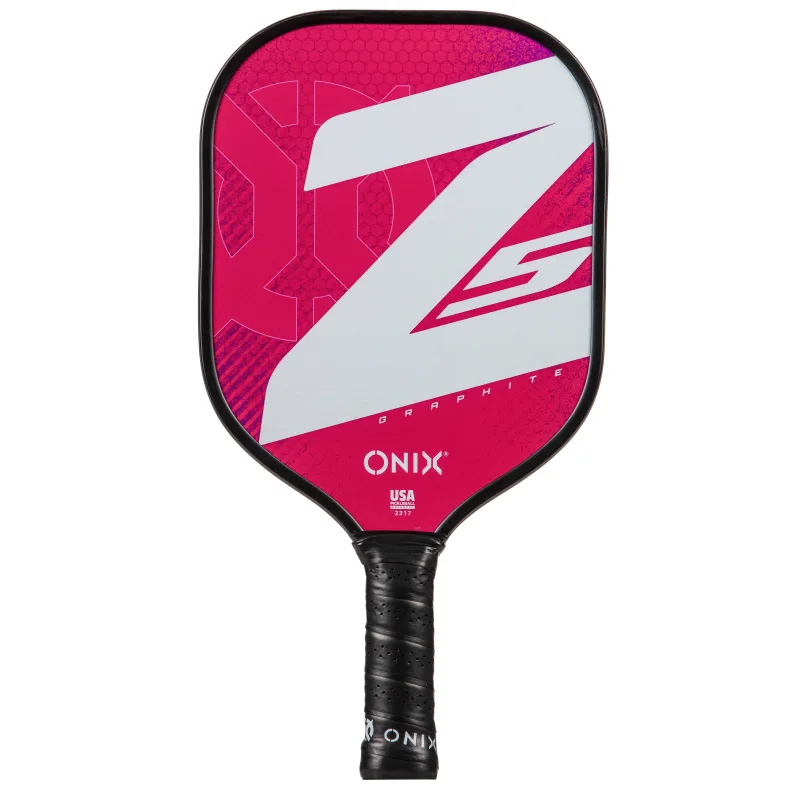
Composite (graphite/fiberglass) faces are the classic choice. They're crisp, durable, and budget-friendly, with a firm feel that suits blocking and driving. Graphite tends to be lighter and stiffer; fiberglass offers a bit more flex and power. The Z5 Mod V2 Graphite Pickleball Paddle is a good example of a graphite build aimed at players who want a clean, responsive hit.
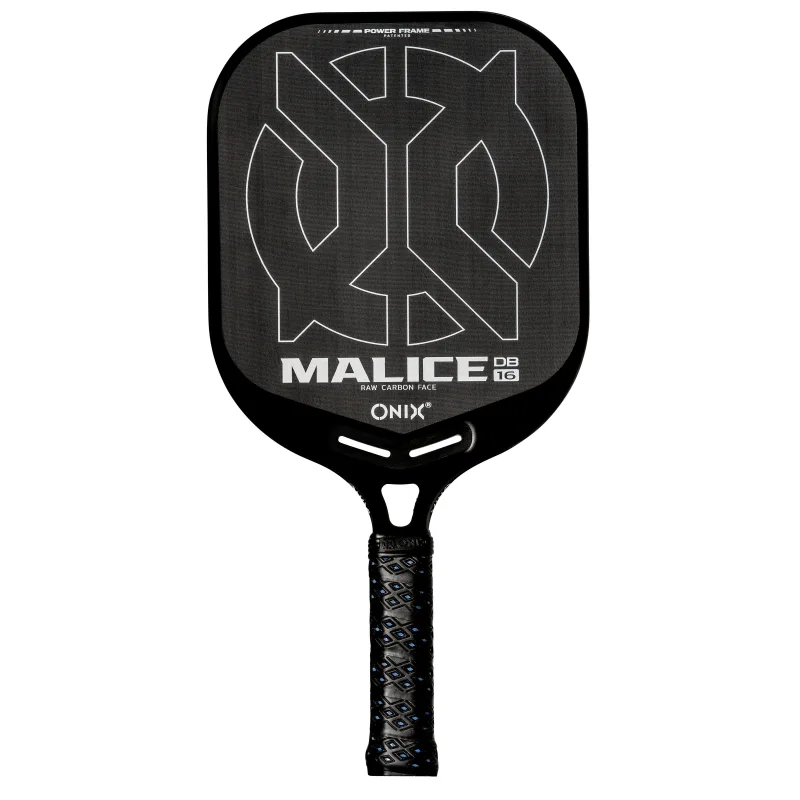
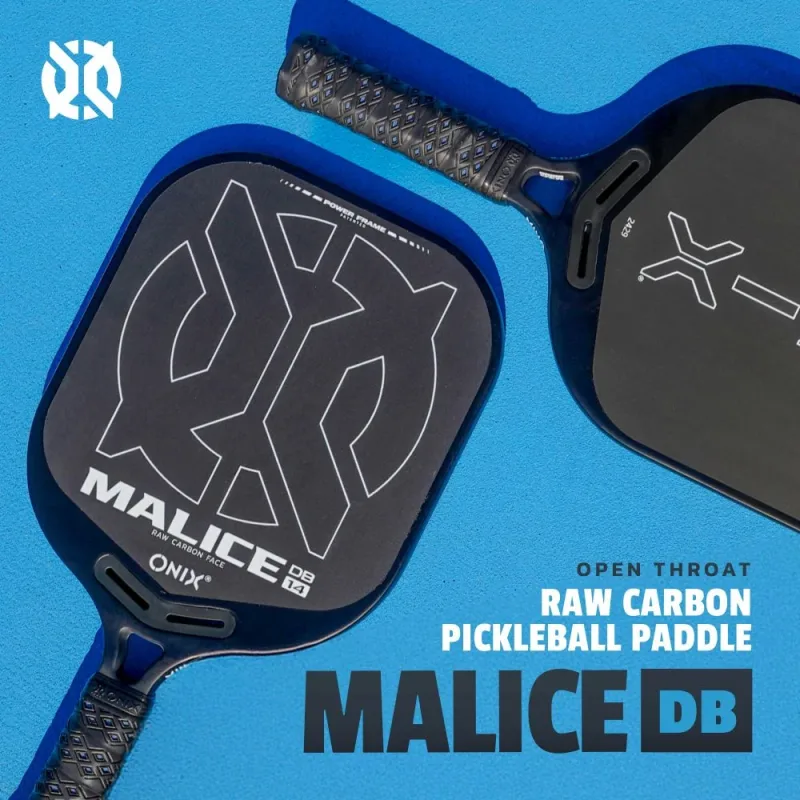
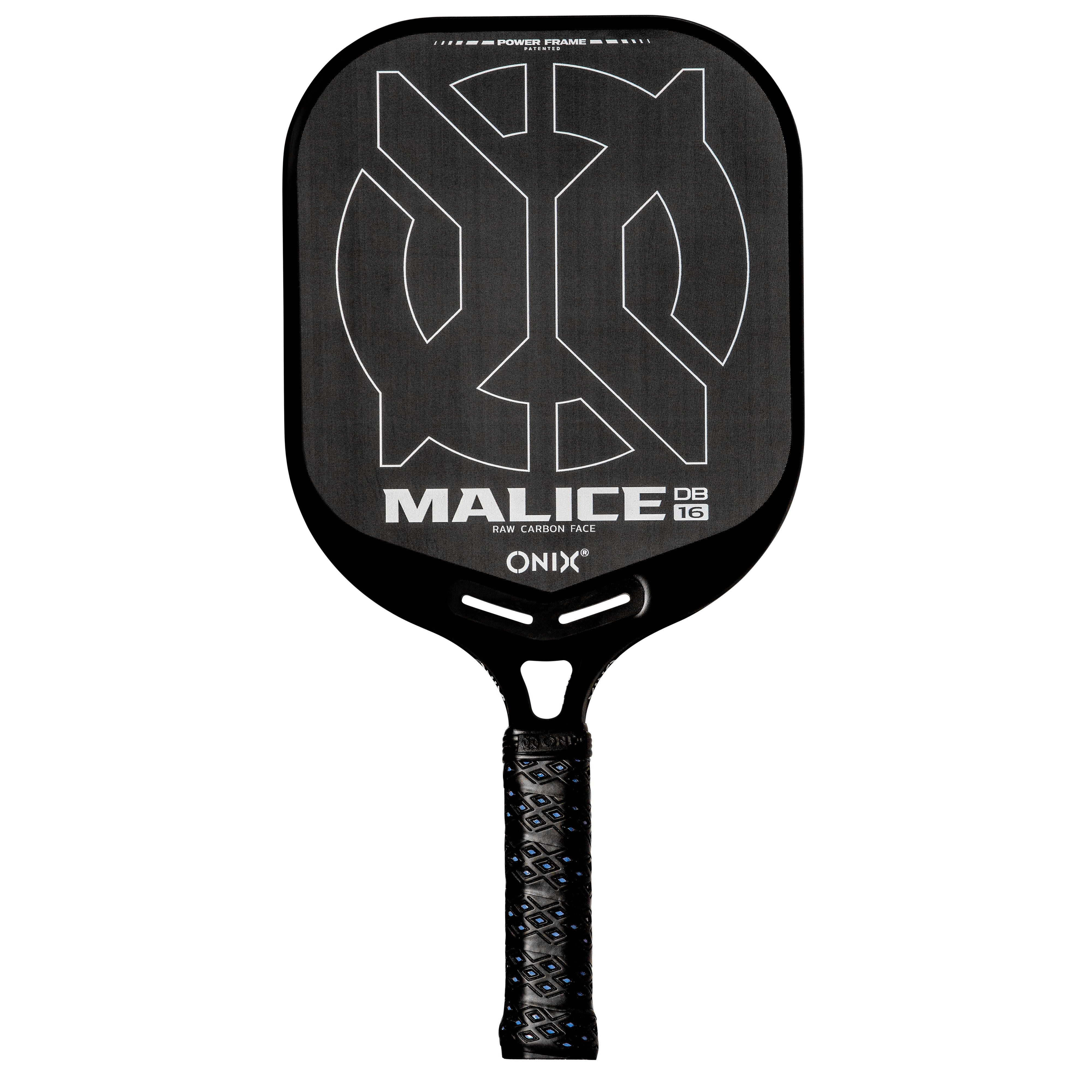
Raw carbon fiber faces have a naturally textured surface that grabs the ball for noticeably more spin. They also tend to be stiffer, which transfers more energy into your shots. The trade-off is a slightly higher price and a break-in period as the surface settles. If spin and control are your priorities, a raw carbon model like the Malice DB Open Throat Raw Carbon Fiber Pickleball Paddle is worth the investment for competitive play.
4. Top Picks From Our Lineup
- Malice DB Open Throat Raw Carbon Fiber Pickleball Paddle — maximum spin and a stable, powerful feel for advanced players.
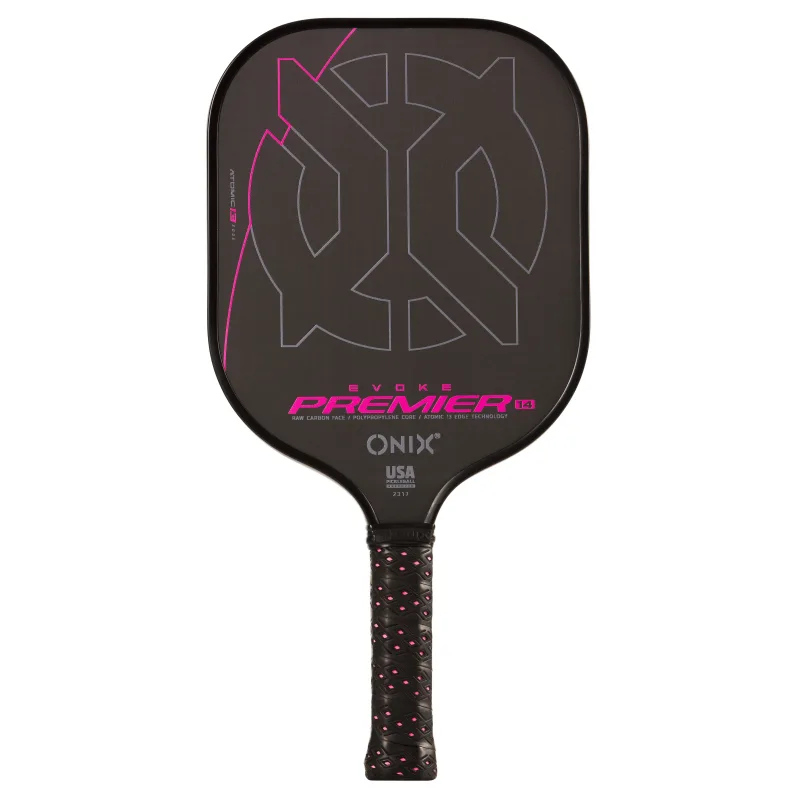
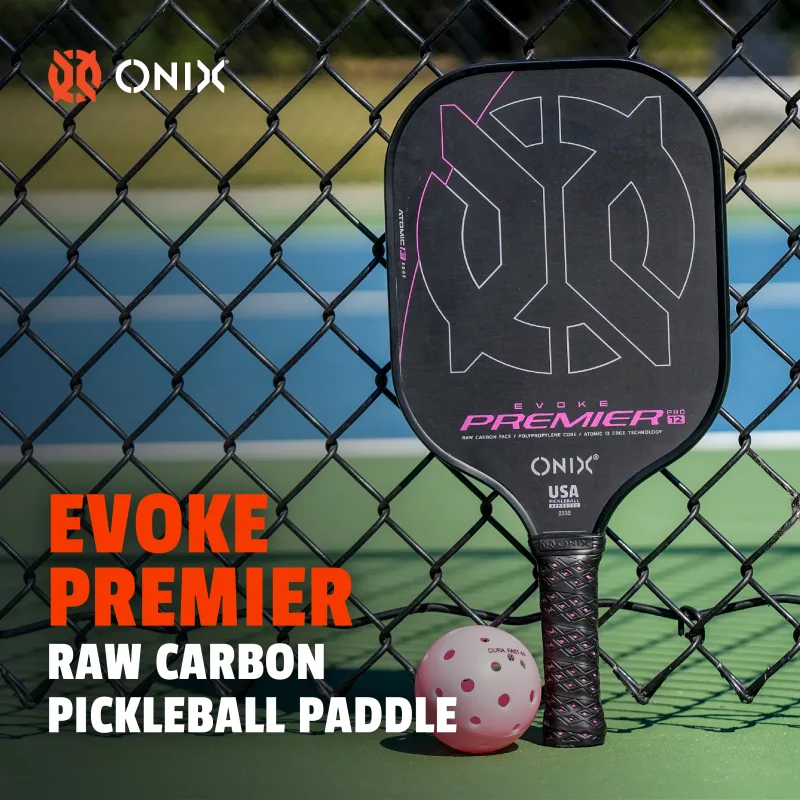
- Evoke Premier Raw Carbon Pickleball Paddle — raw carbon texture with a balanced, all-court profile.
- Hype X Pro Raw Carbon Pickleball Paddle — spin-friendly face with a fast, modern shape.
- V4 Pickleball Paddle — a proven all-around option for players who want one paddle that does everything well.
- Summit C1 Pickleball Paddle — control-first construction for dink-heavy doubles play.
- Z3 Composite Pickleball Paddle — dependable composite performance at a friendly price point.
- Adapt Max Pickleball Paddle — a forgiving, high-comfort choice for developing players.
- Z Junior Composite Pickleball Paddle — sized for younger players learning the game.
If you're shopping for a serious upgrade, the Evoke Premier Raw Carbon Pickleball Paddle balances spin generation with a manageable swing weight, making it a smart step up from a starter paddle.
5. Must-Have Accessories
- Paddle cover — protects the face texture and edge guard from scratches in your bag.
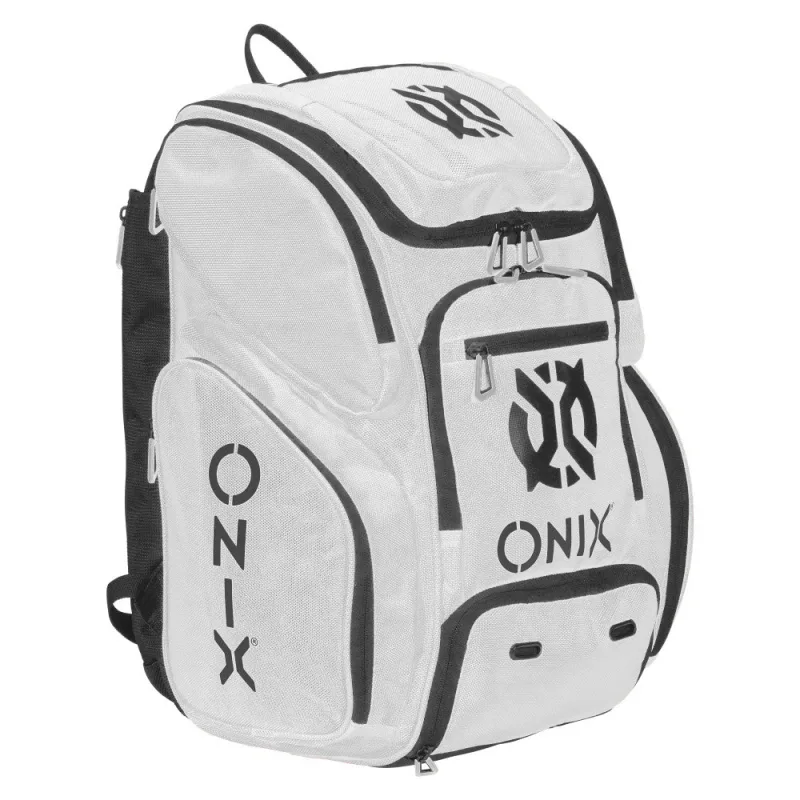
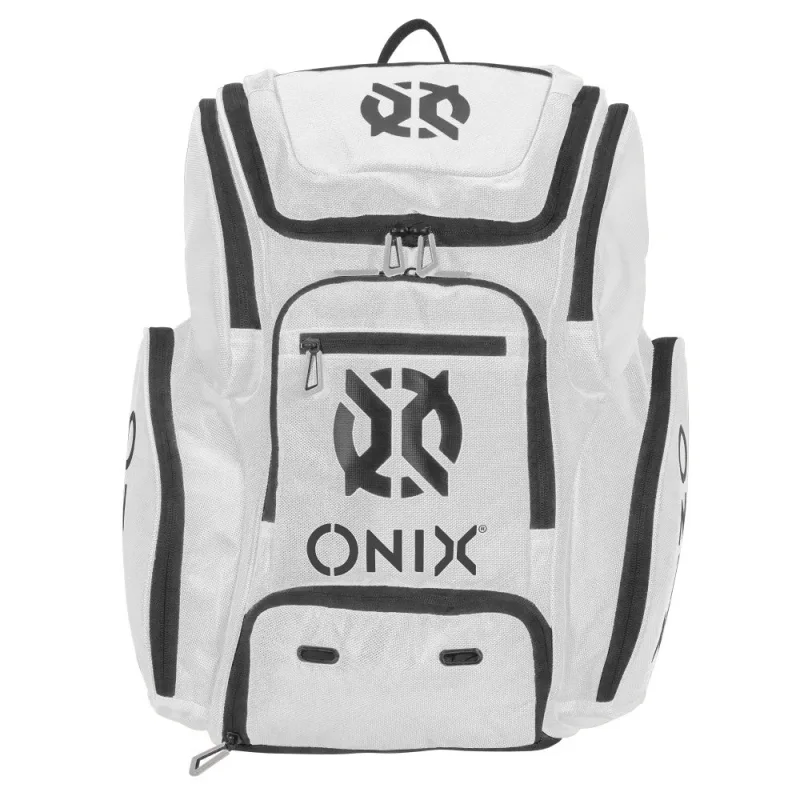
- Bag — a dedicated pickleball bag keeps paddles, balls, and layers organized; the Pro Team Pickleball Backpack works for daily play.
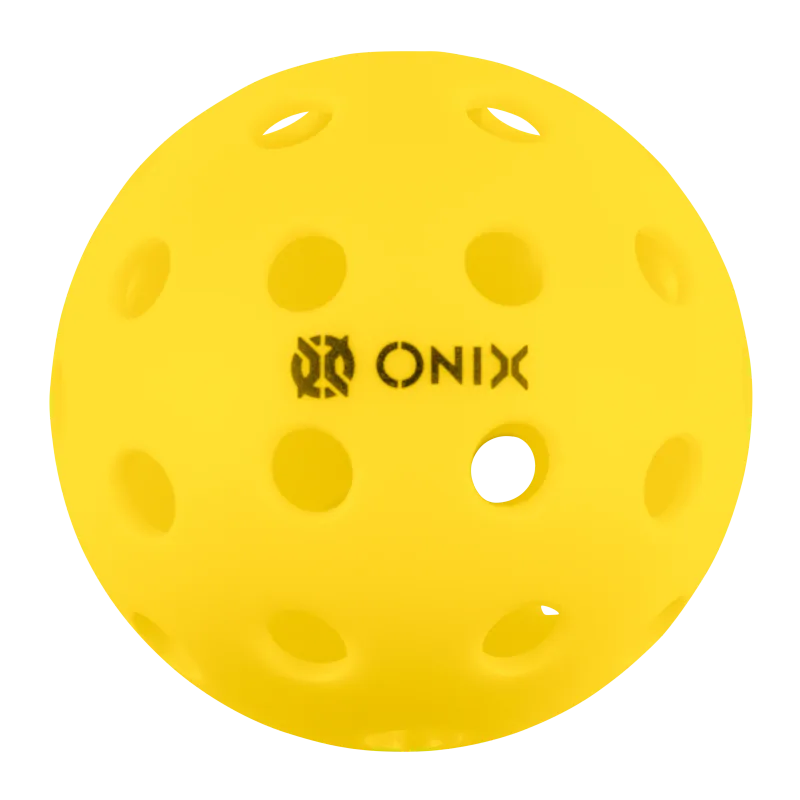
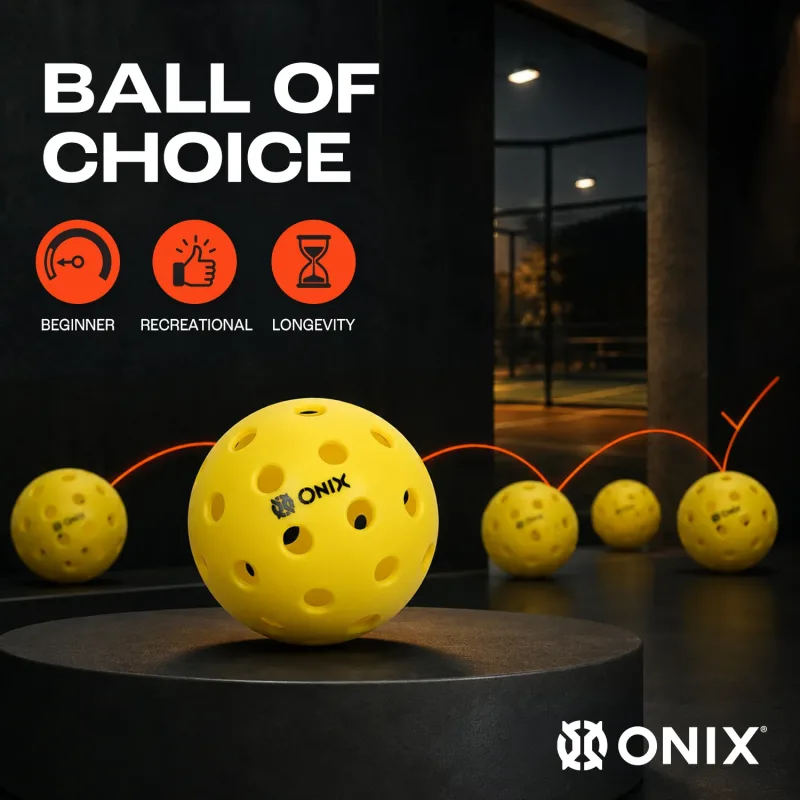
- Balls — outdoor play calls for a durable outdoor ball like Pure 2 Outdoor Pickleballs; indoor balls are softer with larger holes.
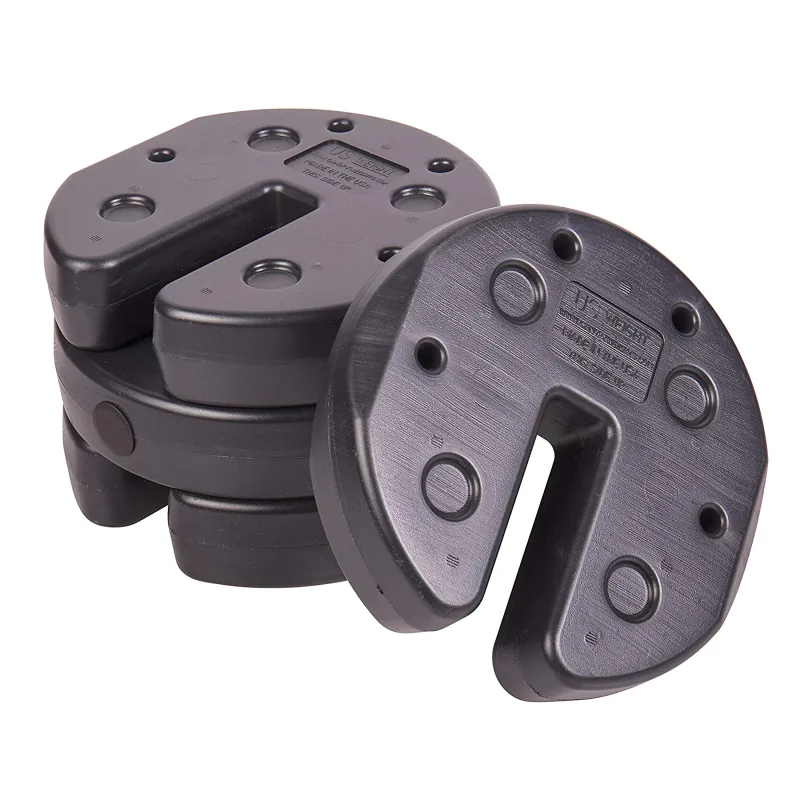
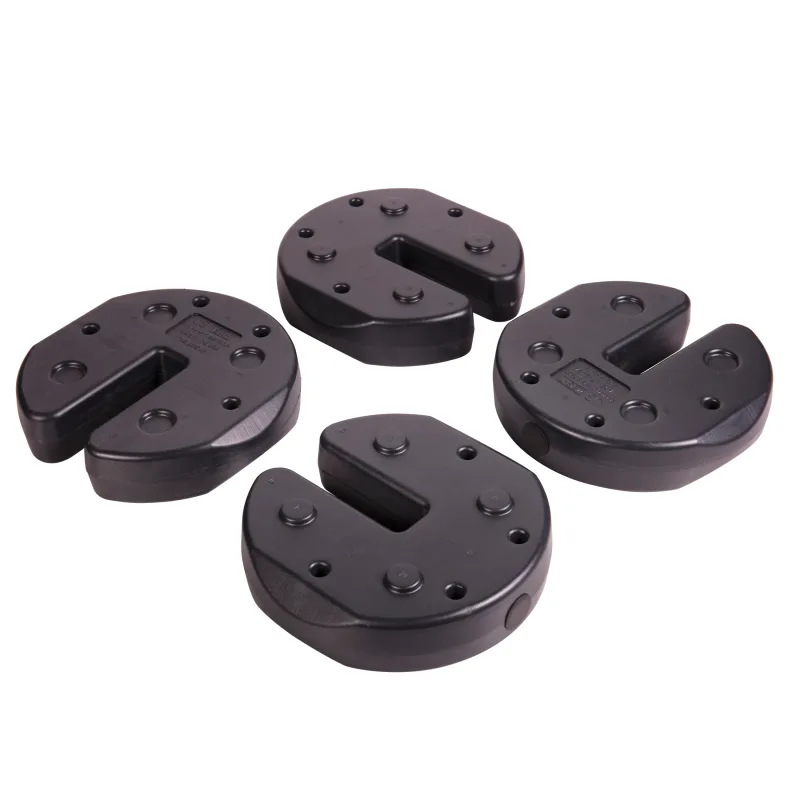
- Net — a portable net turns any flat surface into a court; add Pickleball Net Weights to keep it steady in wind.
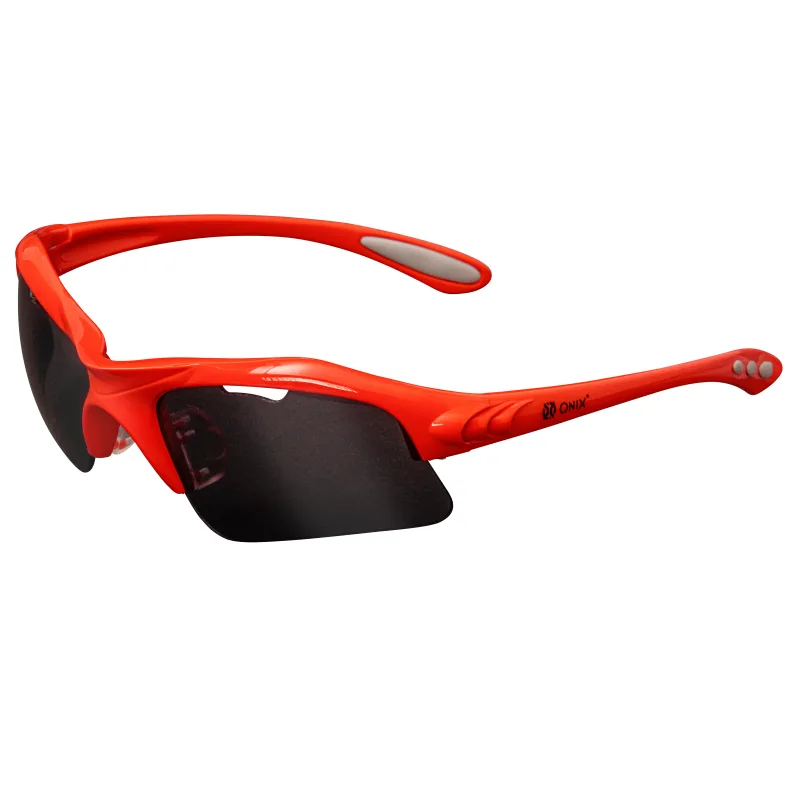
- Eyewear — eye protection matters at the net; Pickleball Glasses - Eagle combine safety with clear vision.
Final Thoughts
Start with your playing style, not the price tag. Beginners should prioritize forgiveness and comfort; intermediate players should look for spin and control; advanced players can chase power and precision. Demo if you can, and don't overlook grip size — it's the cheapest upgrade with the biggest impact on your game.